Key Takeaways
- First floor additions expand at ground level and suit larger blocks or households needing accessible, step-free living.
- Second storey additions build upward to preserve your yard, making them ideal for smaller lots across Western Sydney.
- Both require council approval and structural engineering, but a second storey involves more extensive foundation and load-bearing assessments.
- The right choice depends on your block size, budget, lifestyle, and long-term goals. An experienced builder can help you decide.
When your family outgrows your home, you are faced with a choice: sell and move, or renovate and stay. For many homeowners across Western Sydney, the answer is to add more space to the home they already love. The question then becomes how.
First floor additions and ground floorextensions are the two primary ways to expand a house. Each comes with its own set of advantages, cost considerations, and practical implications.
Understanding the differences is essential to making a decision you will be happy with for decades to come.
At Keystone Building, we have been helping families across Western Sydney extend and transform their homes since 2001. Whether our clients choose to build out or build up, our role is to guide them through the entire process with clear advice, quality construction services, and minimal disruption to their daily lives.
What Is a Ground Floor Extension?
A ground floor extension involves expanding the existing footprint of your home at ground level.
This type of home extension might mean extending the back of the house to create a larger open-plan kitchen and living area, adding a new bedroom wing to one side of the property, or enclosing an existing outdoor space to bring it into the home.
Because first floor additions are built on a new slab or foundation alongside the existing house structure, the building process is often more straightforward from an engineering perspective. The new section connects to the existing home through openings created in external walls, and the roof is extended or redesigned to integrate the old and new sections seamlessly.
First floor additions are particularly well suited to single-storey homes on larger blocks where outdoor space is not at a premium.
They also work well for a growing family that needs accessible, single-level living, whether for elderly family members, young children, or future-proofing against mobility changes. For homeowners looking to maximise space without the complexity of building upward, a ground floor home extension is often the most straightforward path to their dream home.
What Is a Second Storey Addition?
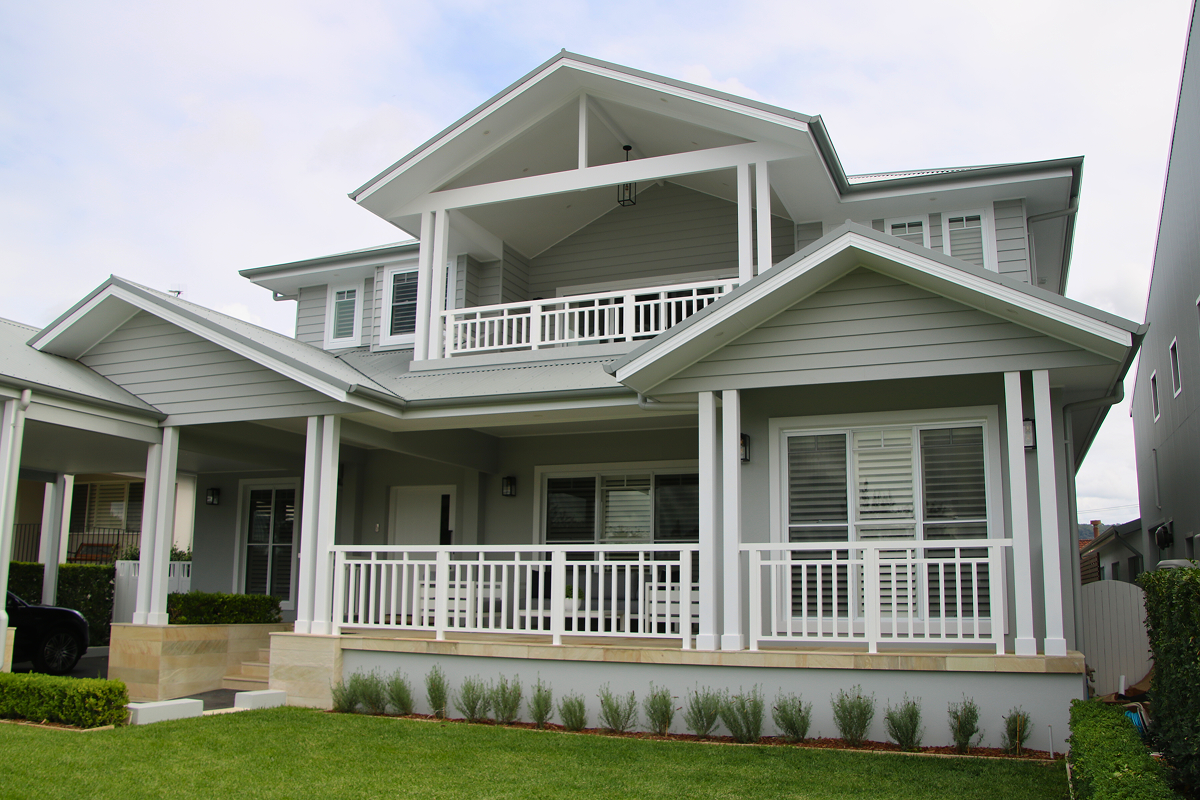
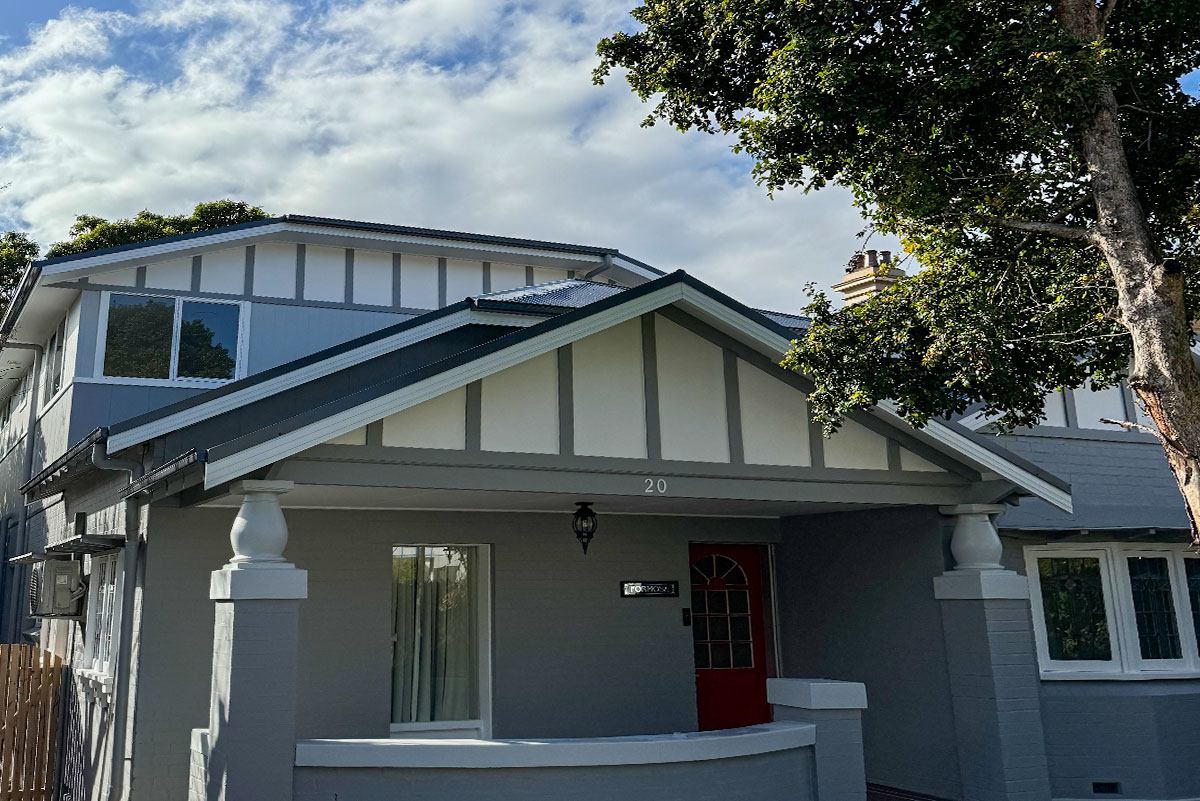
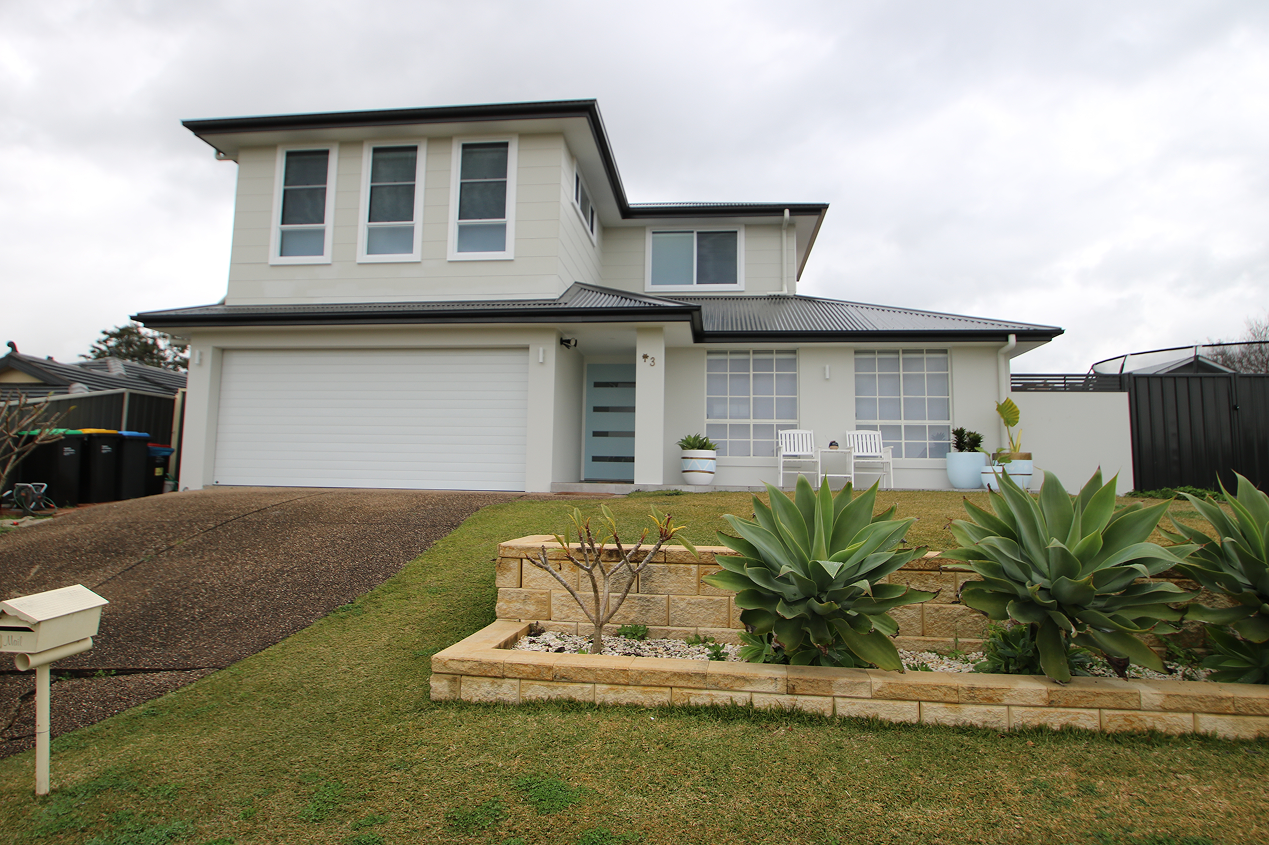
A second storey addition involves constructing a new level on top of your existing ground floor. Rather than spreading outward across your block, the home grows upward, adding extra bedrooms, bathrooms, living spaces, or a combination of all three above the current roofline.
This type of storey extension requires the existing roof to be partially or fully removed, temporary weatherproofing to be installed, and the new level to be framed, clad, and roofed before internal fit-out begins. In most cases, a new staircase must also be designed and integrated into the existing floor plan.
It is a more complex build, but the result is a home that offers significantly more living space without sacrificing any of your yard.
Second storey additions are the go-to solution for homeowners on smaller or narrower lots, particularly across suburbs in Western Sydney where block sizes have decreased over the decades. If your property does not have the room to expand outward, or if you want to preserve your garden, pool area, or outdoor entertaining space, building up is the logical path forward.
Beyond the practical benefits, a well-designed second storey can also capture views, improve natural light throughout the home, and create a clear separation between living zones and private retreats. A modern second storey addition can significantly boost resale value, often delivering a high return on investment for homeowners.
Comparing the Costs
Cost is one of the first factors homeowners consider when deciding between a ground floor extension and a second storey addition. The answer is not as simple as one being cheaper than the other. Both options represent a significant investment, but each carries a different price structure depending on the scope, finishes, and site conditions involved.
First floor additions generally have lower per-square-metre construction costs because they do not require the same level of structural reinforcement. You are building on a new slab at ground level, which is typically less complex than modifying an existing house to carry an additional storey.
However, first floor additions reduce your available outdoor space, which may affect your property value and overall functionality.
In high-cost areas like Western Sydney, building upward with a storey extension is often more cost effective than moving. It can provide extra space and increase property value without the expenses associated with relocation.
Second storey additions tend to carry higher costs per square metre due to the structural engineering involved, the need to temporarily remove and replace the roof, scaffolding requirements, roof framing, and the additional complexity of building above an occupied home. Total costs for structural reinforcement can vary between $10,000 to $40,000 depending on construction requirements.
That said, because you are not consuming any land, you retain your full yard. The increase in total living area can deliver a stronger return on investment, particularly in suburbs where land values are high.
The true cost of either home extension depends on the scope of the project, the condition of the existing structure, the finishes you choose, and the extent of any council requirements. There are no hidden costs when you work with a transparent, experienced builder who provides a detailed and itemised quote.
The most reliable way to compare is to have both options assessed during an initial consultation with a builder who understands the full picture and can present affordable prices for your budget.
Structural & Engineering Considerations
Every home extension requires structural engineering input, but the scope of that work differs considerably between the two approaches. These structural considerations are an important part of the whole design process and should be addressed early in your planning.
For a first floor addition, the engineering focus is on the new foundation, the connection points between the existing and new structures, and ensuring the new roof integrates properly. The existing home is largely unaffected structurally, which simplifies the building process.
A second storey addition introduces a far more detailed engineering assessment. Before any design work is finalised, a structural engineer or building consultant must evaluate whether the existing foundations, footings, and load-bearing walls can support the weight of an additional level.
In many older homes across Western Sydney, the original foundations were designed to carry a single storey only. This means strengthening work, such as underpinning footings or reinforcing internal walls, may be required before the new level can be built.
The framing, bracing, and connection details for a second storey must also be carefully designed to meet the structural requirements of the Building Code of Australia, including wind loading and live load calculations specific to your site. While this adds to the engineering and construction scope, it is standard practice for any reputable builder, and it ensures the finished home is safe, compliant, and built to a high standard.
Council Approvals and Regulations
Both ground floor extensions and second storey additions require approval before construction can begin. In New South Wales, this typically means either a Development Application (DA) lodged with your local council, or a Complying Development Certificate (CDC) issued by an accredited certifier, depending on whether your project meets the criteria of the NSW Housing Code.
A Complying Development Certificate is generally faster and more cost effective, but it comes with strict parameters around setbacks, building height, floor space ratios, and overshadowing. The Floor Space Ratio (FSR) limits the total internal floor area relative to the size of your land, and this is a key consideration when planning any home extension.
If your project falls outside these parameters, a Development Application is required, which involves a more detailed assessment and may include neighbour notification.
Second storey additions are more likely to trigger additional planning considerations because they increase the overall height of the building. Maximum height restrictions for residential additions are generally 8.5 metres in many Sydney areas, and height limits for new construction typically cap between 8.5 to 9.5 metres to prevent overshadowing.
Overlooking of neighbouring properties and streetscape impact are also factors that council or a certifier will assess. Projects must also comply with BASIX requirements for energy and water efficiency. In some heritage conservation areas or flood-prone zones across Western Sydney, additional restrictions may apply.
First floor additions can also face planning challenges, particularly around side and rear setback requirements, site coverage limits, and stormwater management. Extending at ground level increases your building footprint, which may bring you closer to the maximum site coverage permitted under your local council's development controls.
An experienced builder will be familiar with the approval pathways relevant to your area and can advise early in the design process on which route is likely to apply to your project.
Impact on Daily Life During the Build
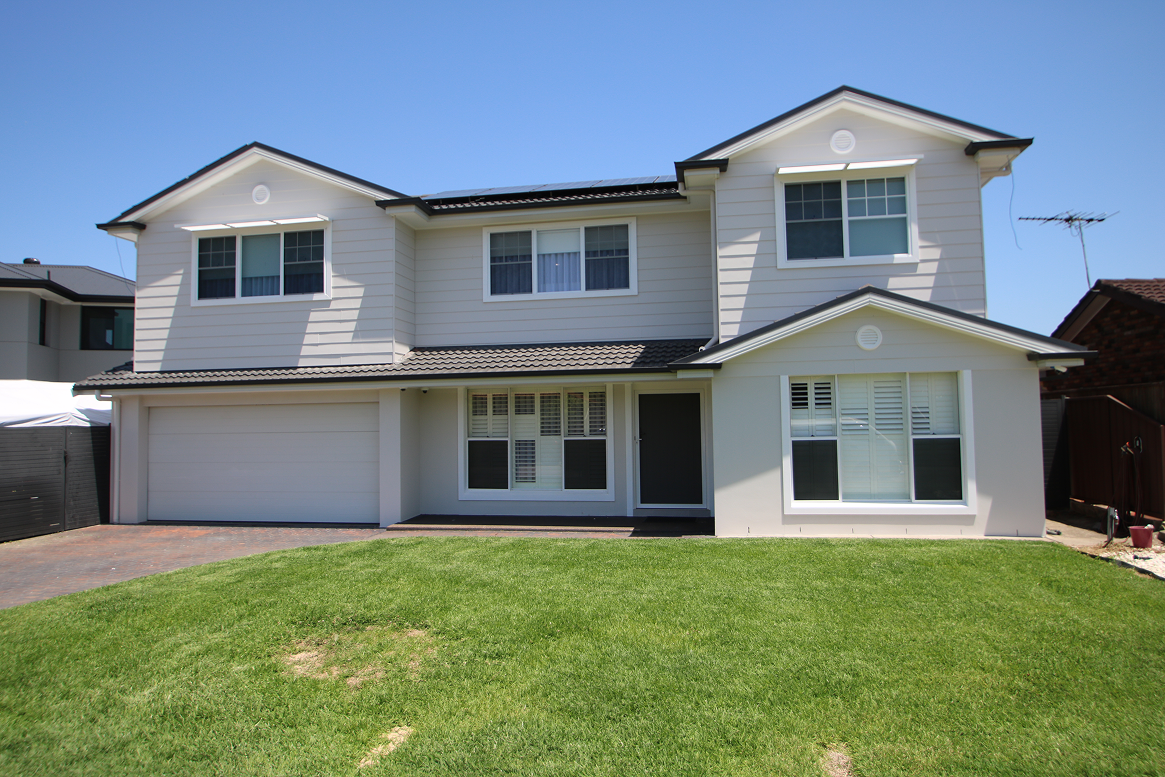
One of the most practical questions homeowners ask is whether they can continue living in their home during construction. The process can feel overwhelming at first, but the answer depends largely on the type of home extension and the time frame involved.
First floor additions are generally less disruptive to daily life because the bulk of the construction takes place outside the existing building envelope. The new structure is built alongside the home, and the connection between old and new is typically one of the final stages.
There will still be noise, dust, and tradespeople on site, but the existing living spaces remain largely intact throughout most of the build.
A second storey addition involves working directly above the occupied ground floor, which brings a different set of challenges. The roof removal phase, while carefully managed with temporary weatherproofing, is the most intensive period.
Depending on the scope and layout of your home, some ground floor areas may need to be temporarily vacated or protected. However, with careful planning and staging, most families are able to remain in their home throughout the project.
At Keystone Building, we pride ourselves on keeping disruption to an absolute minimum. For 95% of our projects, our clients continue living in their home during the build. Our whole team of friendly tradesmen keep the site clean and tidy, and we clean up at the end of every working day so your home remains liveable from start to finish.
Design Flexibility & Layout Options
Both types of home extensions offer significant design flexibility, but they lend themselves to different layout outcomes.
First floor additions excel at creating expansive, open-plan living. Extending the rear of a home to create a large kitchen, dining, and family room that flows out to an alfresco area is one of the most popular home renovation projects we undertake. Ground floor extensions can also accommodate new bedrooms, home offices, ensuites, or self-contained spaces for extended family members.
Second storey additions open up an entirely different design opportunity. By relocating bedrooms and private spaces upstairs, you free up the entire ground floor for living, entertaining, and family areas.
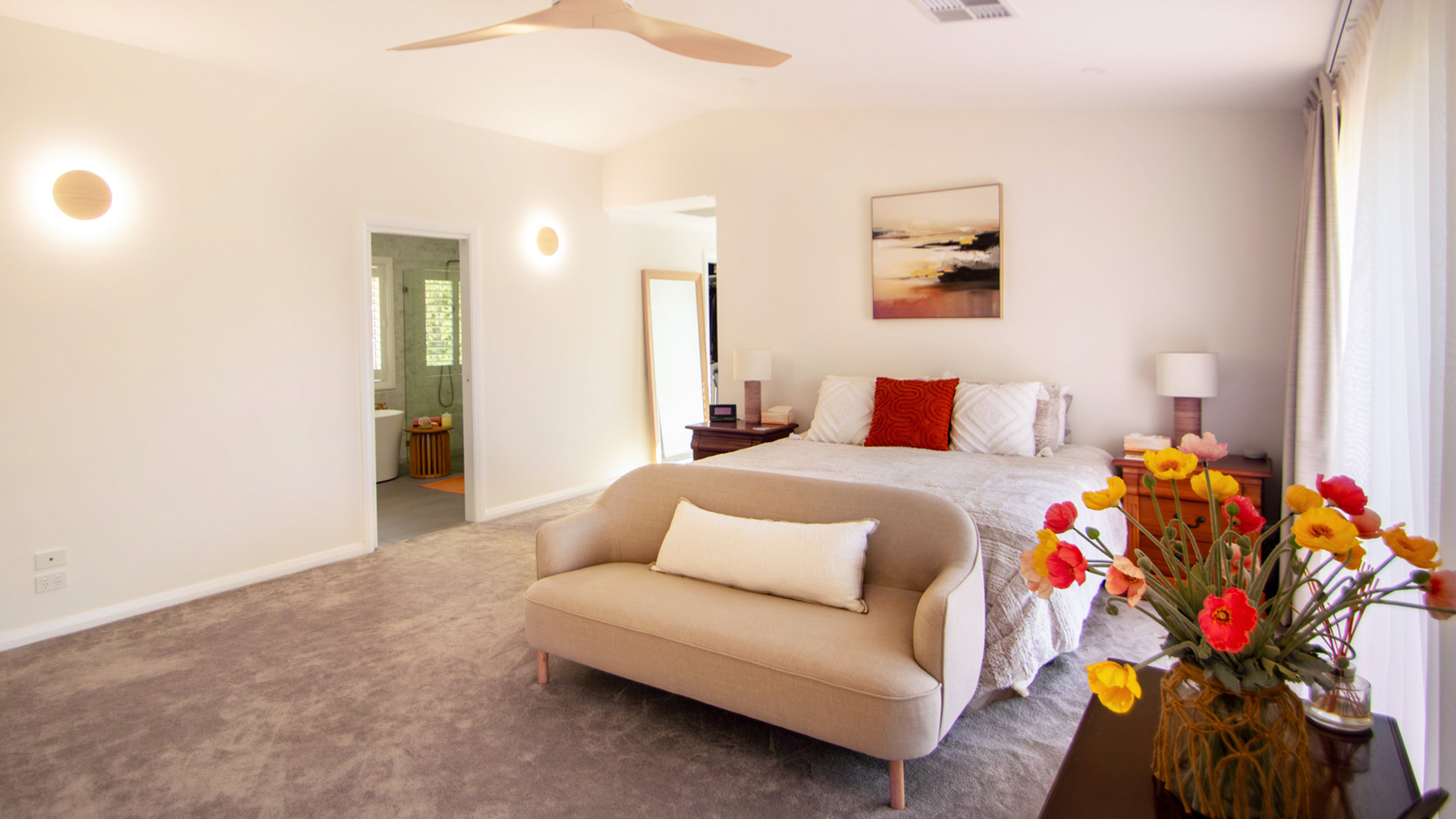
This vertical separation creates a natural zoning between the communal heart of the home and the quiet retreat of the upper level. Upstairs layouts can include a master suite with walk-in wardrobe and ensuite, extra bedrooms, a second living room or study nook, and a separate bathroom for the family.
In many cases, the best outcome is a combination approach. Some homeowners choose to add a second storey for bedrooms while also extending the ground floor to create their ideal kitchen and living layout. This type of home renovation delivers a comprehensive transformation and is one of the most rewarding investments a growing family can make in their dream home.
Which Option Is Right for Your Home?
There is no universal answer. The right choice depends on your specific property, your family's needs, your budget, and your long-term vision for your home.
A first floor addition may be the better option if you have a large block with space to extend, you want to maintain single-level living for accessibility, your budget is more conservative, or the existing house structure is well suited to a ground floor expansion.
A well-designed first floor home extension can increase your property value by maximising space and enhancing the overall appeal of your home.
A second storey addition may be the better option if your block is too small to extend outward, you want to preserve your yard and outdoor areas, you need a significant increase in living space, or you want to capture views and improve natural light through elevated living.
Adding a first floor or second storey can significantly increase the market value of a property, making it a smart investment for homeowners.
Talk to Sydney's Home Renovation Specialists
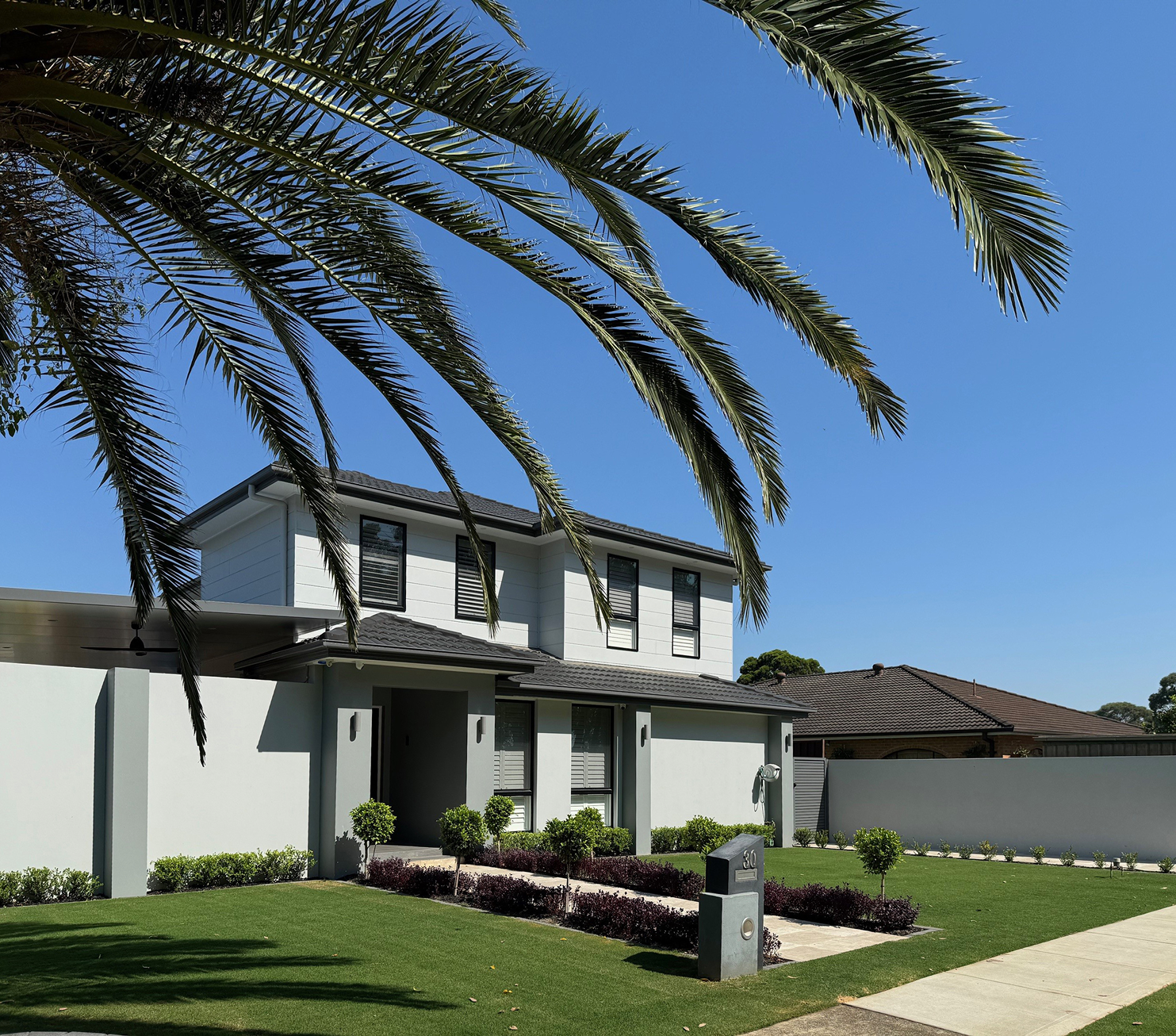
Whether you are leaning toward a ground floor extension, a second storey addition, or a combination of both, the team at Keystone Building is here to help you make the right decision for your home and your family.
As a family-owned, fully insured company with over 25 years of home renovation experience in Western Sydney, we manage every stage of the process, from the initial design consultation and council approvals through to construction and final handover.
Our qualified team delivers quality workmanship on every project, and for the vast majority of our builds, you can continue living in your home while we work.
Give us a call on (02) 4722 5466 today for a free consultation, and let us show you what is possible for your home.
1st Floor Additions vs. Second-Storey Additions FAQs
Can I combine a ground floor extension with a second storey addition in a single project?
Yes, and it is more common than many homeowners realise. A combined approach allows you to redesign the ground floor layout while adding new rooms above, delivering a complete home transformation in one build. Running both scopes simultaneously is also more cost effective than staging them as separate projects, because you avoid duplicating costs such as scaffolding, temporary weatherproofing, and council application fees.
How long does each type of home extension typically take to complete?
Timelines vary depending on complexity and scope. A straightforward first floor addition may take between 12 and 20 weeks from construction commencement to handover. A second storey addition is typically longer, ranging from 16 to 30 weeks, due to the additional structural work and phased nature of building above an existing home. Council approval time frames sit on top of these estimates, with a CDC generally taking two to four weeks and a DA taking eight to twelve weeks or more.
Will a home extension affect my insurance policy?
Any structural addition changes your home's replacement value, and you should notify your insurer before construction begins. Most insurers will need to update your sum insured once the project is complete. During construction, your builder should carry contract works insurance to cover the build itself, but your existing home and contents policy may not automatically extend to cover renovation-related damage.
Do I need to notify my neighbours before starting a home extension?
It depends on the approval pathway. A Development Application typically triggers formal neighbour notification by council. A Complying Development Certificate does not require it, although your certifier may still advise neighbouring properties as a courtesy. Regardless of formal requirements, we always recommend speaking with your neighbours early. A brief conversation about the scope and expected time frame goes a long way toward maintaining good relationships.
Are there any restrictions on building a second storey in a heritage conservation area?
Heritage conservation areas in New South Wales carry additional planning controls that can significantly affect second storey addition. Council will assess whether the proposed storey extension is sympathetic to the existing dwelling and broader streetscape character. This may mean restrictions on building height, roof form, materials, and visibility from the street. A Heritage Impact Statement may also be required. These requirements do not prevent a second storey, but they do influence the design, so early consultation with your builder and council is essential.