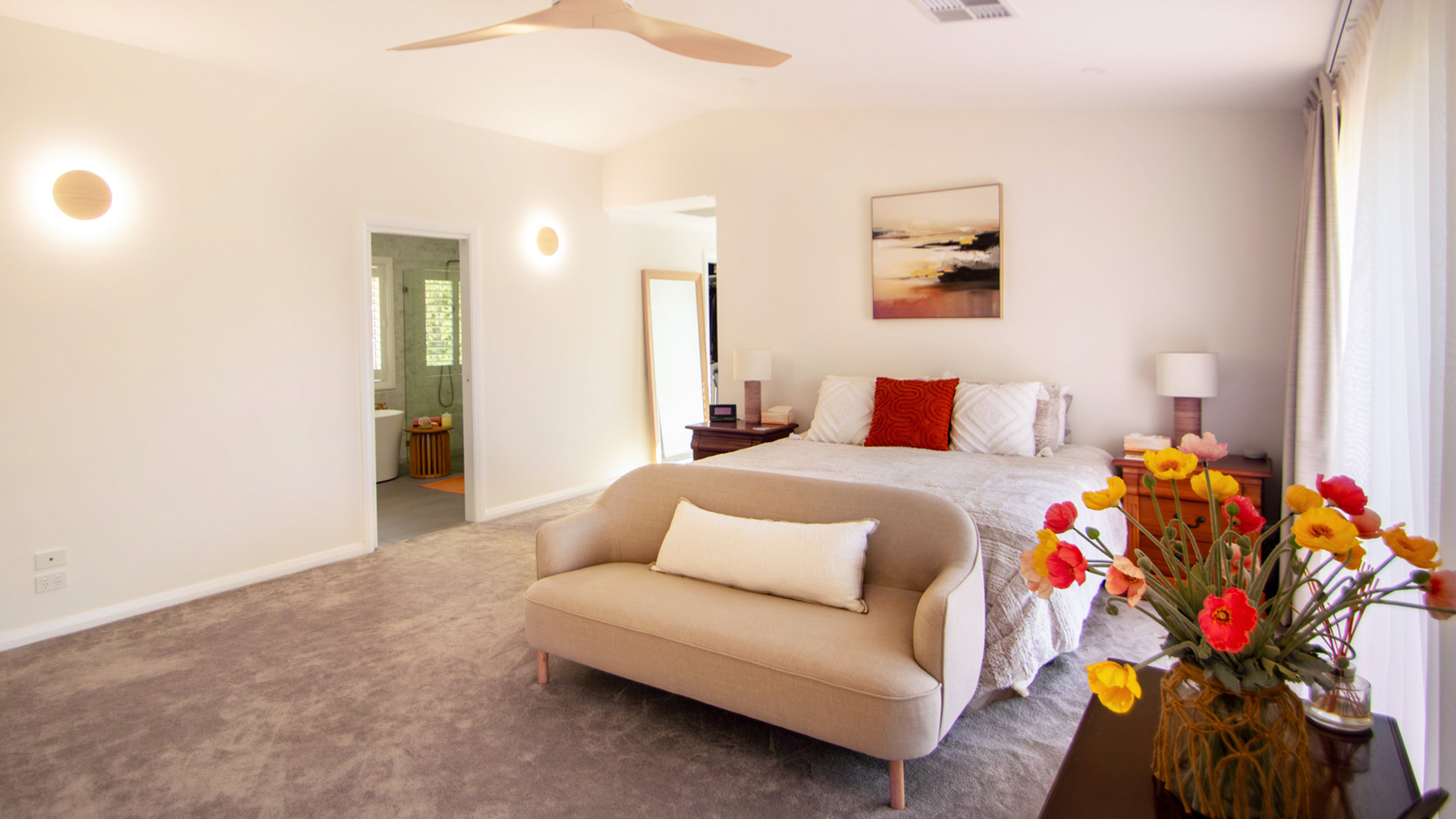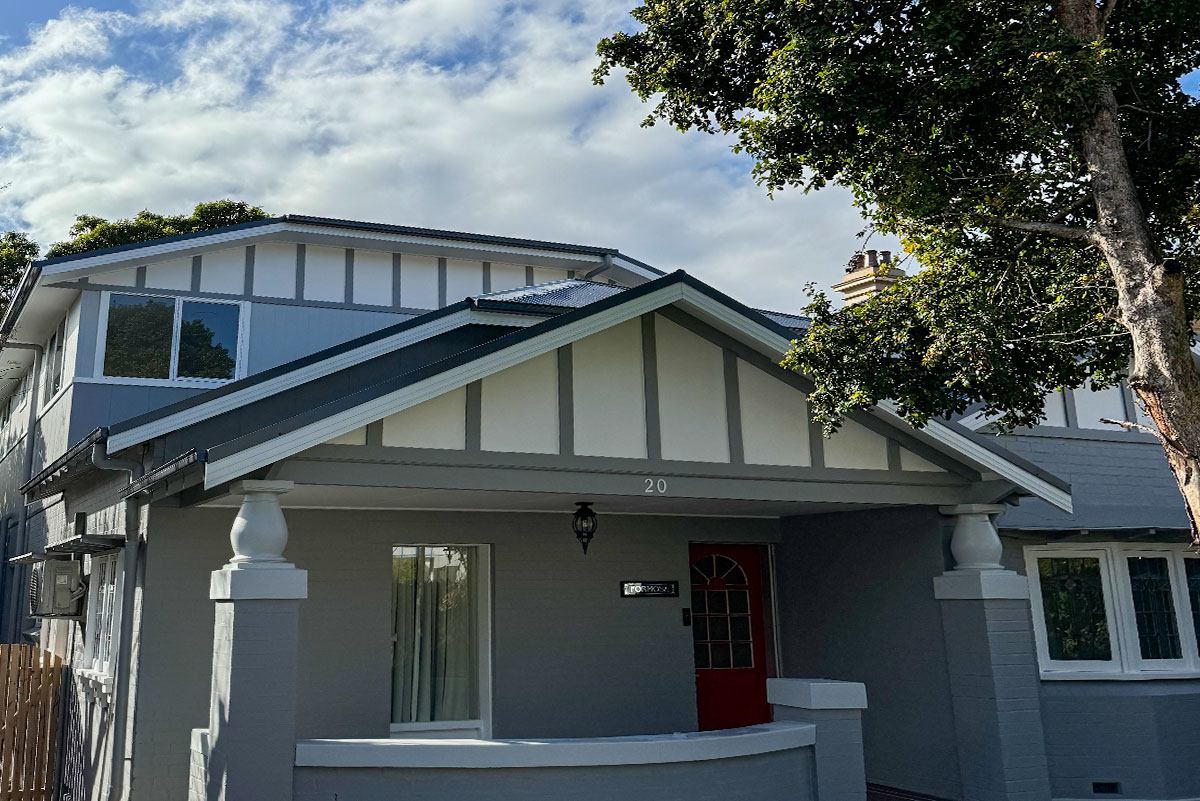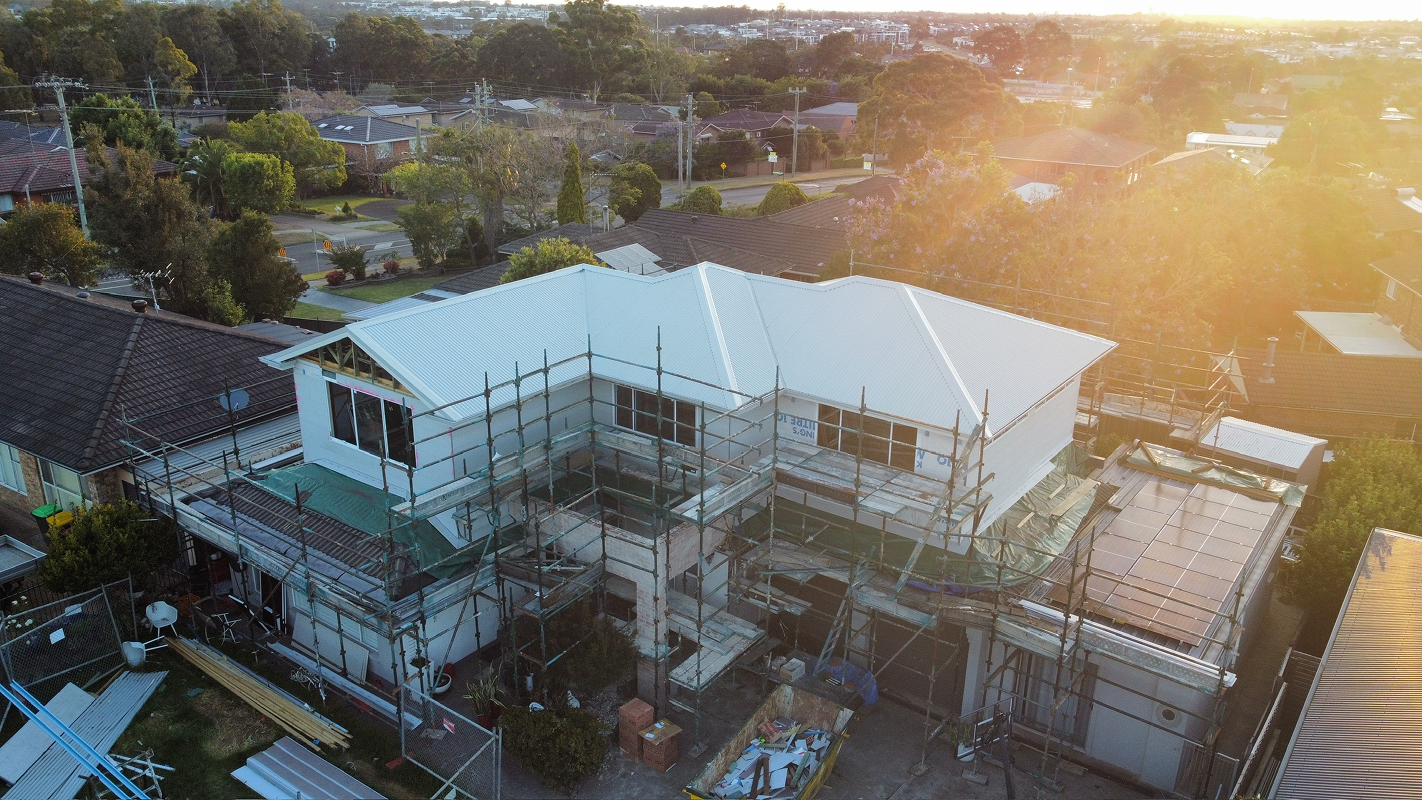
Key Takeaways
- Penrith leads Western Sydney for renovation potential thanks to its mix of post-war homes, generous block sizes, and major infrastructure investment driving long-term capital growth.
- Suburbs like Glenmore Park, St Marys, Kingswood, and Cranebrook each suit different renovation strategies, from cosmetic kitchen and bathroom updates through to full second-storey additions.
- Block size, original construction era, council overlays, and proximity to flood or bushfire zones all influence which type of renovation makes sense for a given property.
- Choosing the right builder is just as important as choosing the right suburb. An experienced local team understands council pathways, site challenges, and the design choices that add lasting value across Western Sydney.
Western Sydney has become one of Australia's most active renovation regions. Decades-old housing stock, generous block sizes, and rapid infrastructure growth have created the perfect conditions for homeowners to invest in their existing properties rather than move further out. From Penrith and Glenmore Park to Kingswood and Castle Hill, families are reimagining the way their homes work, transforming tired layouts into modern, light-filled spaces built for the way we live today.
At Keystone Building, we have been helping families across Western Sydney renovate, extend, and rebuild since 2001. In that time, we have come to know each suburb intimately, including the housing stock, the council requirements, and the design opportunities each area offers. The right renovation strategy is rarely one-size-fits-all, and a clear understanding of what makes a suburb suited to a particular type of project is the first step in making a confident investment in your home.
What Makes a Western Sydney Suburb Right for Renovating?
Not every suburb offers the same renovation upside. The strongest candidates share a handful of characteristics, including original housing stock that has aged well structurally but is dated cosmetically, generous block sizes that allow for ground floor extensions or second storeys, and a strong owner-occupier base that supports capital growth as homes are improved.
Local council policies also shape the renovation process from start to finish. Suburbs governed by councils with clear, well-administered planning controls tend to deliver smoother approval pathways and more predictable project timelines, while areas with significant heritage overlays, flood-prone zones, or bushfire-prone land require more careful navigation. Long-term infrastructure investment, including transport, hospitals, schools, and commercial precincts, lifts the ceiling on what a renovated home can be worth, making the financial case for renovating that much stronger.
Renovations in Penrith: The Heart of Western Sydney's Renovation Boom
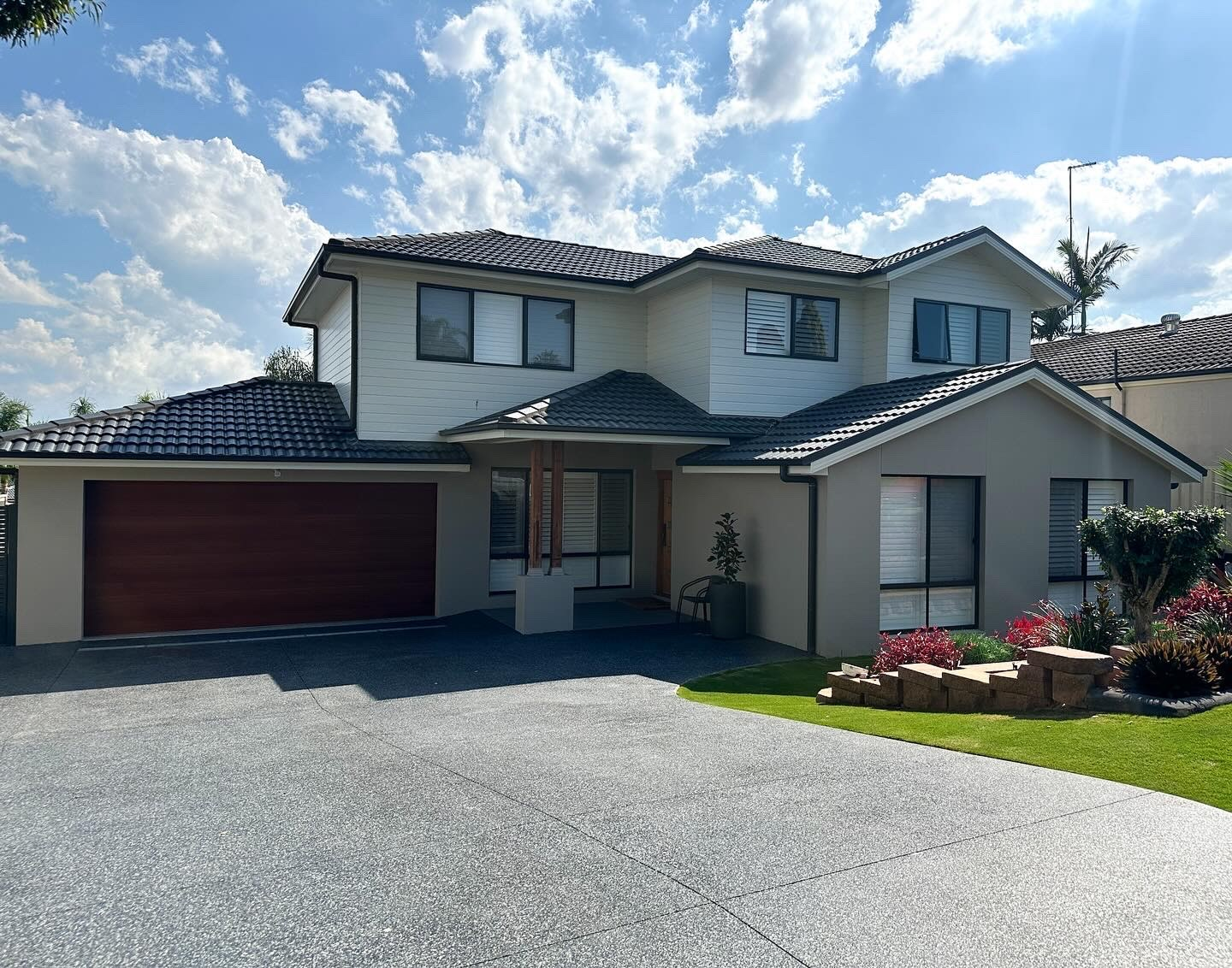
Penrith sits at the centre of Western Sydney's renovation surge, and for good reason. The suburb features a deep mix of post-war fibro and brick veneer homes, mid-century weatherboard cottages, and 1980s brick builds, almost all of which were designed for a very different way of family life. Open-plan living, indoor-outdoor flow, and energy efficient design were not part of the original brief, which is precisely what makes these homes such strong renovation candidates today.
Block sizes in established Penrith pockets typically range from 600 to 800 square metres, giving homeowners genuine flexibility to extend, add a second storey, or completely reconfigure the existing structure. Demand for renovations in Penrith has surged alongside the region's broader transformation, including the Western Sydney International Airport opening in 2026, the Nepean Hospital expansion, the Penrith Lakes precinct, and improved rail connections to the Sydney CBD.
The airport in particular is expected to lift demand from families and airport-adjacent workers, reshaping the long-term value proposition of the area and encouraging Penrith homeowners to invest in their home rather than relocate.
The most popular high-value renovation projects in Penrith include upgrading kitchens, adding second storeys, and installing energy-efficient features. Vertical expansion is particularly valuable on smaller lots because a second-storey addition preserves the entire backyard while delivering significantly more living space. On larger blocks, indoor-outdoor enhancements such as bi-fold doors, covered alfresco areas, and decks consistently rank among the upgrades Penrith buyers value most. Outdoor entertaining areas with a covered alfresco kitchen can yield strong returns at resale.
Penrith City Council operates under standard NSW planning controls, with most additions assessable as either a Complying Development Certificate or a Development Application depending on the scope of the home renovation project. Most structural changes in Penrith require a DA from the local council, including new openings in load-bearing walls and any addition that increases the building footprint or height. Renovating well in Penrith also means designing for the local micro-climate, which is hotter and drier in summer and colder in winter than coastal Sydney; orientation, glazing, and shading decisions should reflect those conditions from the outset.
Bathroom and Kitchen Renovations in Penrith
Bathroom renovations in Penrith are among the most common upgrades, with full-room reconfigurations, modern tiling, new appliances, and complete bathroom renovations replacing dated 1970s and 1980s suites. Pricing is generally banded into three tiers: a basic Penrith bathroom renovation typically runs $15,000 to $25,000, mid-range projects fall between $25,000 and $45,000, and high-end builds with custom joinery and premium fittings exceed $45,000. The biggest cost drivers are the size of the bathroom, the quality of materials selected, and the complexity of any plumbing or layout changes.
Tile selection is one of the most important decisions; tiles need to be aesthetically pleasing, suitable for wet or dry areas, and low maintenance so grout lines and surfaces stay easy to clean for years to come. A well-executed bathroom upgrade also resolves hygiene issues that can creep in with dated tiles, an old toilet, or original 1970s plumbing, and it consistently lifts the resale value of a Penrith home.
Kitchen renovations vary in complexity, ranging from cosmetic refreshes that update benchtops, splashbacks, cabinetry fronts, and lighting around an existing layout, to complete tear-outs that gut an old kitchen and start again, through to full overhauls that knock out walls, relocate plumbing, and integrate the cooking zone into a wider open-plan living area. Modern kitchens and bathrooms tend to be the highest-return rooms in any home renovation, particularly when paired with quality materials and an open-plan layout that suits how families actually use their homes day to day.
Glenmore Park
Just south of Penrith, Glenmore Park is a younger suburb with housing stock that largely dates from the 1990s and early 2000s. The renovation profile here is different, focused less on bringing aged homes up to modern standards and more on reconfiguring layouts, modernising finishes, and expanding outdoor spaces that reflect the way Australian families now live their lifestyle.
Bathroom upgrades, kitchen remodelling, and the addition of alfresco areas, pergolas, and outdoor kitchens are particularly popular here. Block sizes in Glenmore Park are generally well suited to ground floor extensions, and the suburb's family-driven owner-occupier market means well-executed renovations consistently deliver strong returns.
St Marys
St Marys offers some of the best value entry points for renovators in Western Sydney. The suburb's housing stock skews older, with many Federation, post-war, and 1960s homes still in original condition. For buyers willing to invest in a thoughtful renovation, the upside is significant, particularly with the Sydney Metro West and broader transport upgrades expected to improve connectivity in the years ahead.
Renovations in St Marys often involve more comprehensive structural work, including reconfiguring small, compartmentalised floor plans into open living areas, replacing original kitchens and bathrooms, and adding additional bedrooms or living zones to accommodate growing families. Skilled tradespeople breathe new life into these older homes, with carefully managed repairs to original timber framing, brickwork, and roofing forming part of the build before any cosmetic work begins.
Kingswood
Kingswood is shaped by its proximity to Western Sydney University and Nepean Hospital, giving the suburb a strong owner-occupier and rental investor mix. Housing stock is varied, with weatherboard cottages, 1950s and 1960s brick homes, and pockets of newer infill development.
For owner-occupiers, the most common renovation projects involve modernising interiors, adding extra bedrooms, and creating better connections between living spaces and outdoor areas. Investors often focus on cosmetic refreshes, layout improvements, and adding granny flats or self-contained second dwellings where the block allows.
Cranebrook and Werrington
Cranebrook and Werrington offer some of the larger residential blocks in the broader Penrith area. Many homes were built between the late 1970s and early 1990s, with brick veneer construction and tile roofing dominating the streetscape. These properties tend to have solid bones, making them strong candidates for second storey additions, large ground floor additions, and significant internal reconfigurations.
The combination of generous land and structurally sound homes means renovating in these suburbs often delivers substantially more living space without the cost of relocating to a larger property elsewhere.
Castle Hill and the Hills District
For homeowners seeking premium Western Sydney renovations, Castle Hill and the surrounding Hills District suburbs deliver some of the most rewarding outcomes. Larger blocks, established gardens, and a higher proportion of substantial brick homes from the 1970s and 1980s make this area particularly well suited to whole-house transformations, luxury kitchen and bathroom remodels, and major extensions designed to lift homes into a higher market bracket.
Knockdown rebuilds are also common across the Hills, particularly where the existing dwelling no longer reflects the lot's potential. The Hills Shire Council operates under its own development controls, so engaging a builder familiar with the local approval process is especially valuable.
What to Consider Before Renovating in Western Sydney
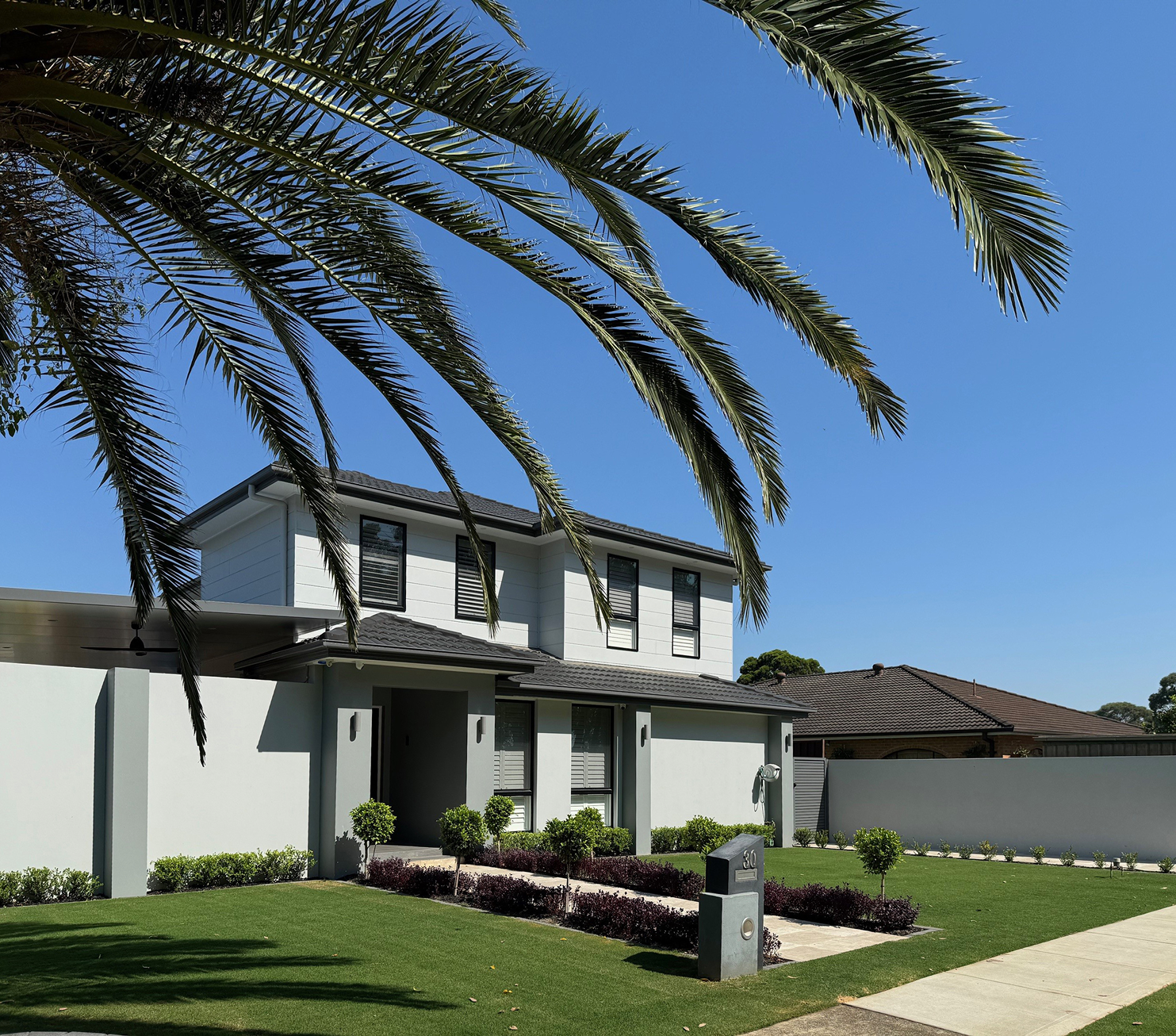
Choosing the right suburb is only part of the picture. Every renovation in Western Sydney is shaped by a handful of practical considerations that influence what is possible on a given property, how the project should be staged, and how the budget should be allocated from concept through to completion.
The age and construction method of your home matter. Pre-1980 homes may contain asbestos in eaves, internal wall sheeting, or floor tiles, and any renovation involving disturbance to these areas requires licensed asbestos handling. Original electrical and plumbing systems often need updating to meet Australian Standards, and older roofing structures may benefit from reinforcement before a second storey is added.
Site conditions also play a role. Parts of Western Sydney sit on reactive clay soils, which can affect slab design and foundation work. Bushfire-prone land mapping applies to suburbs along the urban fringe, including pockets close to the Blue Mountains, and triggers additional construction requirements under AS 3959. Termite-resistant materials should be specified in any new extensions because the local environment supports active termite pressure year-round. Flood-prone areas, particularly along the Hawkesbury and Nepean rivers, may require finished floor levels above a defined flood planning level.
Council requirements vary by local government area. While the NSW Housing Code allows for Complying Development across most residential zones, the specific setbacks, height limits, floor space ratios, and BASIX targets that apply to your block depend on local environmental plans.
New residential additions must also comply with NSW rules around heat rejection from air-conditioning and cooling systems so that condensers do not heat shared boundary spaces. An experienced builder will know which approval pathway is most likely to apply to your project and can flag potential issues before design work progresses too far.
Tradespeople coordination is the final piece. A complete renovation typically involves builders, electricians, plumbers, tilers, cabinet makers, and waterproofers working in a tight sequence. Hiring experienced home renovation builders helps ensure projects are completed on time, within budget, and in compliance with local building codes, because the builder takes responsibility for managing schedules and sourcing quality materials across every trade on site.
Talk to Sydney's Home Renovation Specialists
Wherever you live across Western Sydney, the right renovation can transform your home into the property you have always wanted, without the stress and expense of moving. From Penrith and Glenmore Park to Castle Hill and beyond, the team at Keystone Building has the local knowledge, the trade experience, and the project management capability to bring your vision to life.
As a fully licensed, fully insured family owned business with over 25 years of home renovation experience in Western Sydney, we specialise in home renovation services that span every stage of the process, from initial design and council approvals through to construction and final handover.
Our experienced team delivers quality work and a high-detail end product on every job, backed by transparent pricing, a workmanship guarantee, and a hassle free experience our clients consistently describe as reliable from start to finish. Visit us for an in-person consultation or get in touch online; either way, the next step is straightforward. Give us a call on (02) 4722 5466 today for a free quote, and let us show you what is possible for your home.
Renovations Penrith FAQs
Are renovation costs higher in Western Sydney suburbs near the Blue Mountains?
They can be, mainly because bushfire-prone land mapping triggers additional construction requirements under AS 3959, including ember-resistant materials, shutters, and specific glazing. Soil testing in foothill suburbs may also reveal more challenging ground conditions that increase footing costs.
How long does a typical home renovation take in Penrith?
Most mid-scale Penrith renovations, such as a kitchen and bathroom remodel with some structural work, take between four and six months on site once approvals are in place. Larger projects involving a second storey or full reconfiguration typically run six to nine months, with design and approval adding another three to four months upfront.
Do I need to engage a town planner for a renovation in Western Sydney?
For straightforward Complying Development projects, a private certifier can usually handle the assessment without a separate town planner. Heritage conservation areas, dual occupancy proposals, or projects that breach standard controls often benefit from planner input early in the design phase.
How do heritage conservation areas in Western Sydney affect what I can renovate?
Heritage controls vary by council and can apply to individual homes or entire streetscapes, often in older parts of suburbs like Penrith, St Marys, and Castle Hill. Restrictions typically focus on visible street-facing elements, including roof pitch, windows, materials, and front fencing, while internal alterations and rear additions often have more flexibility.