Key Takeaways
- Not all renovations require council approval. Many common home improvement projects, from painting and fencing to internal kitchen and bathroom upgrades, fall under "exempt development" in NSW and can proceed without a Development Application.
- Size and location matter. Even projects that qualify as exempt must meet strict standards for height, floor area, setbacks, and placement. Exceeding even one threshold means you will need formal approval.
- Heritage properties play by different rules. If your home is heritage-listed or sits within a heritage conservation area, most exempt development provisions do not apply, and a Development Application is likely required.
- A qualified builder helps you get it right the first time. Understanding the line between exempt, complying, and DA-required work is critical. Partnering with an experienced renovation specialist ensures your project stays compliant, on schedule, and free from costly surprises.
If you are planning a home renovation in Sydney, one of the first questions you will face is whether or not your project requires council approval. It is a question that can shape your entire timeline, budget, and approach to the build. Get it right, and you could save weeks of waiting and thousands in application fees. Get it wrong, and you may find yourself facing compliance orders, fines, or the costly requirement to undo completed work.
The good news is that many common residential renovation projects fall under what is known as "exempt development" in New South Wales. These are low-impact works that can proceed without a Development Application (DA) or a Complying Development Certificate (CDC), provided they meet specific standards set out by the NSW Government. However, the details matter, and understanding exactly where the boundaries lie is essential for any homeowner looking to renovate with confidence.
At Keystone Building, we guide Sydney homeowners through these regulatory considerations every day. Here is what you need to know about building exemptions and how they might apply to your next renovation project.
What Is Exempt Development?

Exempt development refers to minor building works that are considered so low in impact that they do not require any formal planning or building approval from your local council or a private certifier. Sometimes called exempt development because these very low impact development types have minimal environmental impact on surrounding properties and land, the system is designed to streamline common improvements for homeowners.
These building exemptions are governed by the State Environmental Planning Policy (Exempt and Complying Development Codes) 2008, commonly known as the Codes SEPP. This state policy sets out the exempt development codes and relevant development standards that apply across NSW, providing a consistent framework for low impact forms of building work.
The intent behind the exempt and complying development framework is straightforward. For simple, everyday improvements that do not significantly alter a property's footprint, structure, or environmental impact on neighbours, the state government has created a similar streamlined approval process so homeowners can start their projects immediately, avoiding the waiting periods associated with council assessment. This can save homeowners and businesses time and money by allowing minor building works without obtaining development consent through a full Development Application.
However, it is important to understand that "exempt" does not mean "unregulated." Every category of exempt development comes with specific requirements for size, maximum height, location, and design. If your project exceeds any one of these thresholds, it no longer qualifies as exempt, and you will need to explore either a Complying Development Certificate or a full Development Application. Exempt development must also comply with relevant provisions of the Building Code of Australia and all other applicable development standards.
The intent behind exempt development is straightforward. For simple, everyday improvements that do not significantly alter a property's footprint, structure, or impact on neighbours, the government has streamlined the process so homeowners can get on with the work without the burden of formal applications.
However, it is important to understand that "exempt" does not mean "unregulated." Every category of exempt development comes with specific standards for size, height, location, and design. If your project exceeds any one of these thresholds, it no longer qualifies as exempt, and you will need to explore either a Complying Development Certificate or a full Development Application.
Common Residential Projects That May Be Exempt
For homeowners in the early stages of planning a renovation, it helps to know which types of projects typically fall under the exempt development umbrella. While the specifics can vary depending on your property's zoning, location, and condition, the following are among the most common residential works that may not require council approval.
Internal Renovations
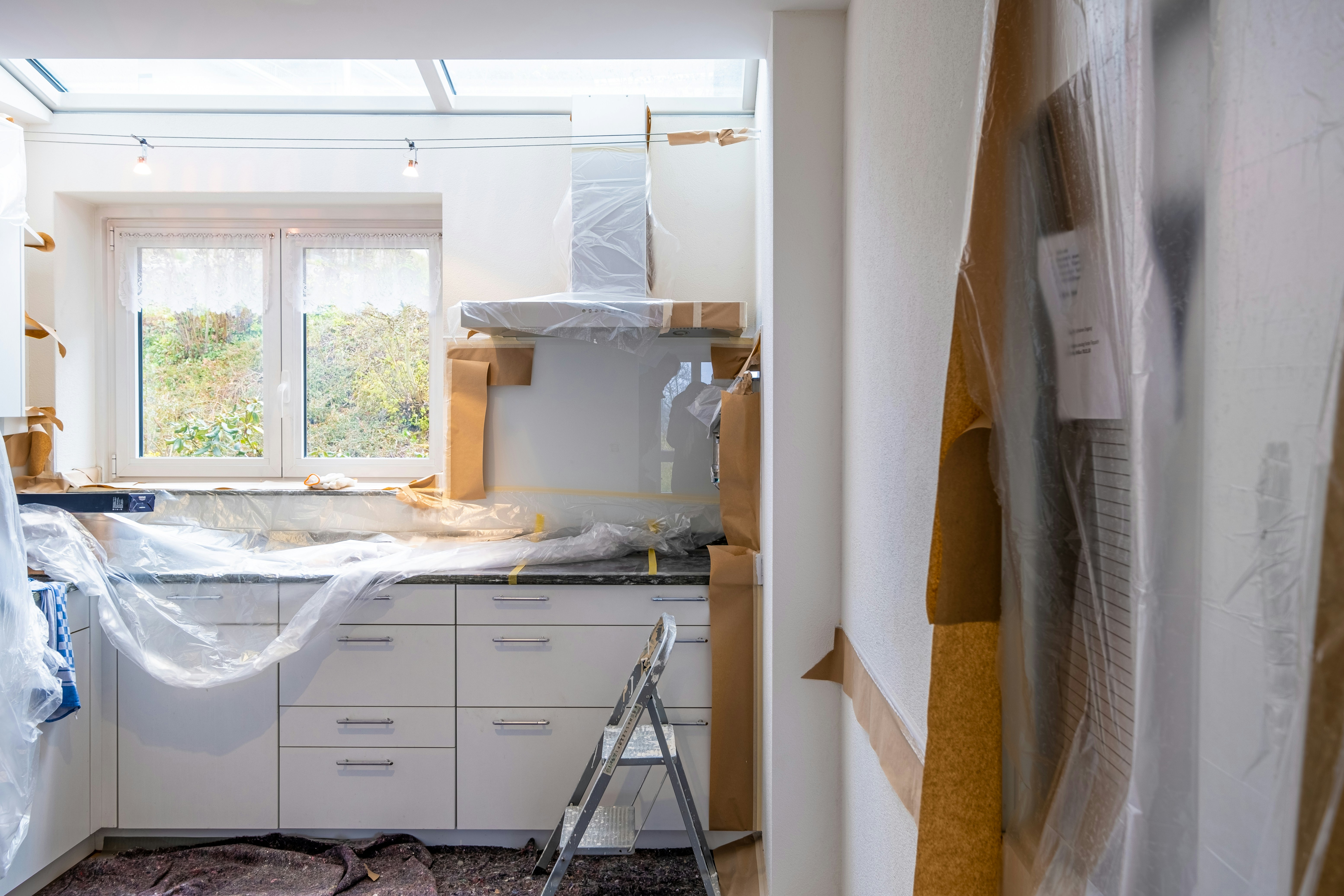
Many internal upgrades are classified as exempt development. Replacing kitchen cabinetry, updating bathroom fixtures, retiling, repainting internal walls, or installing new flooring can generally proceed without approval, provided the work does not involve structural changes. If you are not moving load-bearing walls, altering the roofline, or reconfiguring the layout of rooms, your internal renovation is likely to qualify.
Decks & Patios
A new deck or patio can be exempt if it does not exceed 25 square metres in floor area and sits no higher than one metre above existing ground level. These thresholds are designed to ensure the structure remains minor in scale and does not impact the amenity of neighbouring properties.
Pergolas
Pergolas are a popular addition for extending outdoor living areas. To qualify as exempt, a pergola must generally not exceed 25 square metres in floor area and must sit no higher than three metres above existing ground level.
Garden Sheds & Outbuildings
Small garden sheds, cabanas, cubby houses, and greenhouses can often be built without approval. The key limitations are typically a maximum floor area of 20 square metres, a height of no more than three metres, and a minimum setback of 900mm from any property boundary.
Fences
Boundary fences under 1.8 metres in height generally do not require approval, provided they do not incorporate retaining walls higher than 600mm.
Carports
A carport may qualify as exempt if it does not exceed three metres in height (or does not rise above the gutter line of an existing single-storey dwelling) and is located at least one metre behind the building line of any road frontage.
Painting & Minor Repairs
Repainting the exterior of your home, repairing windows without changing the opening size, and other minor maintenance works are typically exempt.
Complying Development & Development Applications
Other common examples include installing a flagpole, putting up a satellite dish or aerial, minor alterations such as barbeques and gazebos, air conditioning units that meet noise and placement standards, and certain low impact forms of development works like driveways, hardstands, and retaining walls under 600mm. Each of these project qualifies as exempt only if it meets the specific exclusions and development standards outlined in the exempt development codes.
The Differences Between Development Policies
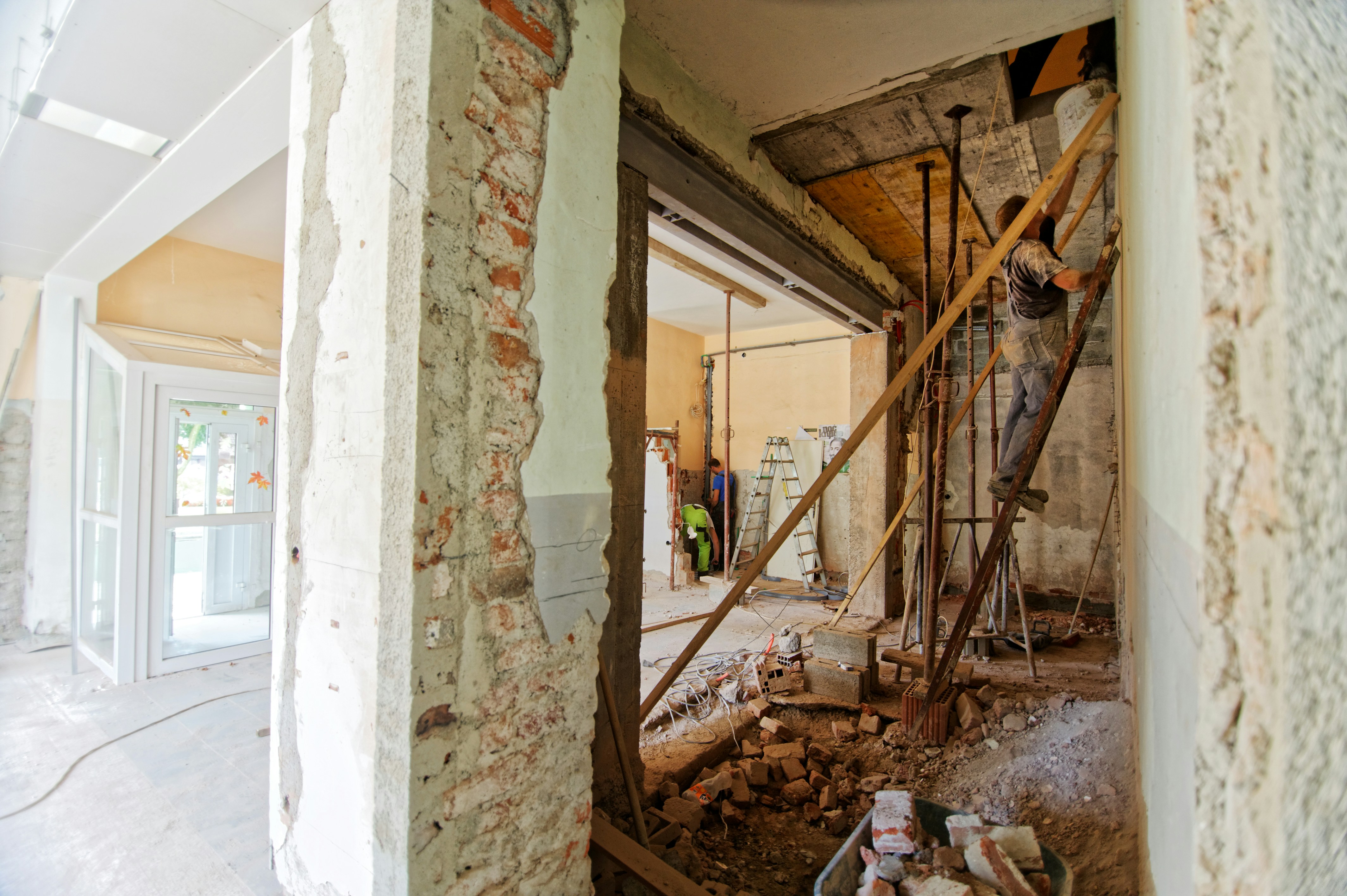
Understanding building exemptions also means understanding what happens when your project falls outside those boundaries. In NSW, the planning approval pathway generally follows a three-tier structure that determines different development types and the level of approval required for each.
Exempt Development sits at the most straightforward end. No planning approval or building approval is needed, provided all development standards are met. This is the fastest pathway for new buildings and minor renovations that remain within the prescribed limits.
Complying Development is the next step up. If your renovation is more substantial but still meets certain pre-set complying development codes under the Codes SEPP, you can apply for a Complying Development Certificate (CDC) through a private certifier. This is often significantly faster than a rigorous approvals process through council, with turnaround times typically between two and four weeks. Many home additions, alterations, and new builds can be assessed via this pathway.
A Development Application (DA) is required for more complex projects, including those that involve heritage-listed properties, significant structural changes, or designs that fall outside the complying development standards. A DA is lodged with your local council and assessed against the relevant Local Environmental Plan (LEP) and Development Control Plan (DCP). The process can take several months and typically involves neighbour notification and, in some cases, public exhibition.
At Keystone Building, we help our clients determine the correct approval pathway early in the planning process. This upfront clarity ensures your renovation timeline remains realistic and that no surprises emerge once construction is underway.
Developing Heritage Properties
One of the most common areas of confusion around building exemptions involves heritage-listed properties and heritage conservation areas. In these cases, the standard exempt development provisions generally do not apply, even for works that would otherwise qualify.
If your property is individually heritage-listed or sits within a heritage conservation area, most external and some internal works will require a Development Application, regardless of their scale. This includes projects as seemingly minor as replacing windows, altering a fence, or repainting the facade in a different colour.
The rationale is preservation. Councils want to ensure that any work on or near heritage properties is sympathetic to the original character of the building and the surrounding streetscape. At Keystone, we have extensive experience navigating these requirements, working closely with heritage consultants and council planners to deliver modern, high-quality renovations that respect a property's architectural history.
Environmental & Land Restrictions That Prohibit Exempt Development
Beyond heritage considerations, there are several environmental and land-based factors that can prohibit exempt development on your property. If your land contains or is adjacent to critical habitat, an ecological community, or is home to endangered species, the standard building exemptions may not apply. Similarly, properties within a wilderness area, on environmentally sensitive areas, or on land identified as having significant environmental planning considerations may face additional restrictions.
Properties listed on the State Heritage Register or identified as an interim heritage item are also subject to specific exclusions from exempt development. If your land is flood-prone, bushfire-prone, or contains certain conditions such as contaminated soil or significant vegetation, you may need to pursue a full Development Application regardless of the scale of proposed works. Checking these certain conditions early with your local council or the NSW Planning Portal can prevent costly delays down the track.
Practical Tips for Getting Exempt Development Right
Even when your project clearly falls within exempt development guidelines, there are a few practical steps worth taking to protect yourself and your investment.
Verify Your Property's Zoning and Heritage Status
Before assuming your project is exempt, check whether your property is heritage-listed or located in a heritage conservation area. Your local council's online mapping tools or the NSW Planning Portal can confirm this.
Document Everything
While you do not need to submit formal plans for exempt development, it is wise to keep records of what you are building, including measurements, materials, and photographs. If a question ever arises about compliance, having documentation on hand makes resolution far simpler.
Check the Specific Standards
Each category of exempt development has its own set of rules. A pergola has different requirements to a garden shed, and a deck has different standards again. Do not assume that because one project was exempt, another similar project will be too.
Consult a Professional
The line between exempt, complying, and DA-required work can be subtle. What starts as a simple deck addition can quickly become a more complex project if it involves site drainage, boundary setbacks, or proximity to easements. Engaging a qualified builder or planning consultant early can save significant time and expense.
Comply with the Building Code of Australia
Even exempt development must comply with the Building Code of Australia (BCA) and any other relevant standards. This is particularly important for works involving waterproofing, structural integrity, and fire safety.
Talk to Sydney's Home Renovation Specialists
Building exemptions exist to make life easier for homeowners undertaking many common improvements, but the system relies on you understanding and meeting the relevant development standards. Whether you are planning a straightforward kitchen refresh, a new outdoor entertaining area, or a more ambitious whole-home renovation, knowing where your proposed works sit within the approval framework is one of the most important first steps you can take.
At Keystone Building, we take the guesswork out of the process. Our team manages every aspect of your renovation, from initial planning and council liaison through to construction and final handover, ensuring your project is compliant, on schedule, and built to the highest standard. Give us a call on (02) 4722 5466 today for a free quote, and let us help you bring your renovation vision to life.
Understanding Building Exemptions FAQs
What happens if I complete work that I assumed was exempt but actually required approval?
If work is carried out without the necessary approval, your local council has the authority to issue compliance orders requiring you to either obtain retrospective approval (where possible) or remove the non-compliant work entirely. In some cases, fines may also apply. Retrospective approval is not guaranteed, as the council will assess the work against current planning controls, and there is no obligation for them to approve it after the fact. This is one of the key reasons we recommend confirming the approval pathway before any work begins.
Can my neighbour object to my exempt development?
Exempt development does not involve a formal notification or public consultation process, so there is no mechanism for neighbours to formally object through the planning system. However, if a neighbour believes your work does not meet the exempt development standards (for example, it exceeds the allowable height or encroaches on setback requirements), they can lodge a complaint with your local council. The council may then investigate and, if the work is found to be non-compliant, take enforcement action. Building to the correct standards from the outset is the best way to avoid disputes.
Do I need a licensed builder for exempt development, or can I do it myself?
There is no legal requirement under the exempt development provisions to engage a licensed builder. However, there are important practical considerations. Any work that involves structural elements, waterproofing, electrical, or plumbing must be carried out by appropriately licensed tradespeople under NSW law, regardless of whether the project requires council approval. Owner-builder work on exempt projects is permitted, but if something goes wrong, whether structurally or in terms of compliance, the responsibility sits entirely with you. For anything beyond basic cosmetic updates, engaging a licensed professional provides both peace of mind and a layer of accountability.
Are building exemptions the same across all of NSW, or do they vary by council area?
The core exempt development standards are set at the state level through the Codes SEPP and apply consistently across NSW. However, there are important exceptions. Some local councils have additional provisions or restrictions under their Local Environmental Plans that can affect what qualifies as exempt in a particular area. Certain zones, such as environmentally sensitive land, flood-prone areas, or bushfire-prone land, may have modified or more restrictive requirements. It is always worth checking with your local council or a qualified planning professional to confirm how the state-wide standards apply to your specific property.
Does the $50,000 BASIX threshold apply to exempt development?
The Building Sustainability Index (BASIX) certificate is required for most residential development in NSW valued at over $50,000. However, because exempt development by its nature does not involve a formal approval process, BASIX certification is generally not required for these works. That said, if your project transitions from exempt to complying development (for example, if the scope increases during planning), BASIX requirements may come into effect. It is also worth noting that incorporating energy-efficient and water-efficient design principles into any renovation, regardless of whether BASIX applies, is a sound investment that reduces long-term running costs and adds value to your property.