5 Trending Facade Styles for Your Sydney Home Renovation
Key Takeaways
- High ROI Transformation: A facade renovation is a powerful investment, typically increasing property value by 5% to 15% while dramatically improving street presence.
- Modern Aesthetics: Current Sydney trends lean towards sharp Modernist parapet walls, coastal Hamptons weatherboards, and texture-rich Industrial Contemporary designs.
- Flawless Integration: Professional additions, like the Topeka Project, focus on matching rooflines and materials to ensure a "meant-to-be-there" finish.
- Durability First: Utilising materials like Colorbond steel and Fibre Cement cladding ensures your new facade withstands Sydney’s harsh UV and humidity with minimal maintenance.
The Importance of Your Home’s First Impression
In the competitive Sydney property market, first impressions are everything. Your home’s facade is much more than an exterior wall. It’s a reflection of style, a reflection of your lifestyle, and the primary driver of your home’s market value. At Keystone Building, we specialise in helping homeowners across Western Sydney and beyond reimagine their properties. Whether you are adding a second storey or undertaking a comprehensive home renovation, choosing the right facade is the key to a cohesive, high-end result.
If you’re looking for inspiration, here are five trending facade styles currently transforming Sydney streetscapes.
1. The Ultra-Modernist Facade Design
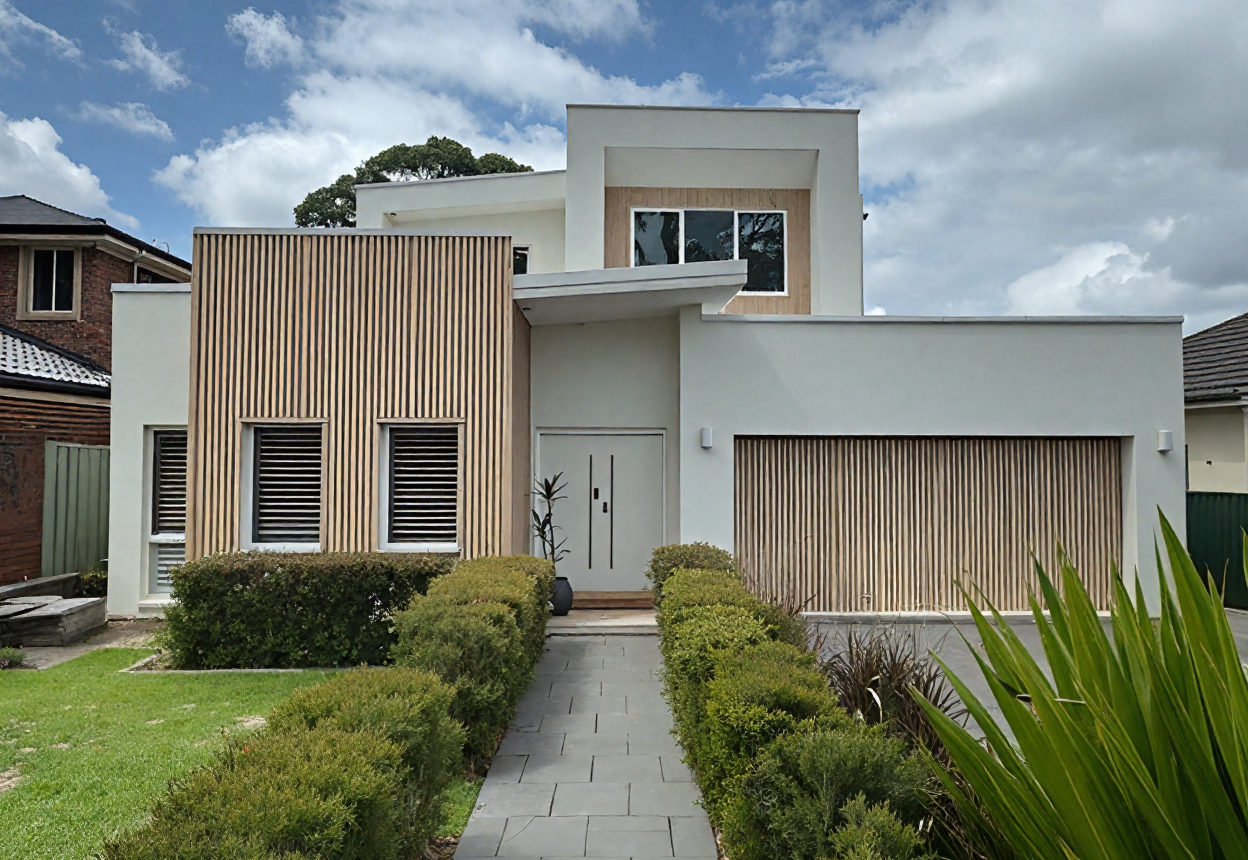
The Modernist facade is all about bold, geometric simplicity. This style is perfect for homeowners wanting to completely disguise the original "suburban brick" look and replace it with something that feels architecturally designed. By removing the traditional eaves and visible rooflines, we can create a sleek, cubic silhouette that screams luxury.
A key feature of this style is the parapet wall, which is an upward extension of the facade that hides the roofline. In our Boyce Project, we used this technique alongside sharp rendering and architectural voids to create a commanding street presence. This approach is ideal for those who want a custom-built feel without the price tag of a full knockdown rebuild.
2. Modern Hamptons: Coastal Elegance
Timeless, breezy, and sophisticated, the Modern Hamptons look has become a staple of Sydney renovations. It offers a softer alternative to the sharp edges of modernism, focusing on texture and traditional silhouettes that feel both expensive and welcoming.
To achieve this iconic look, we focus on several key architectural layers:
- Scyon or Linea Cladding: Horizontal weatherboards that provide depth and shadow lines.
- Gabled Rooflines: Incorporating "peaks" into the design to add height and character.
- Crisp Colour Palettes: Using "greige," subtle blues, or whites paired with high-contrast window trims.
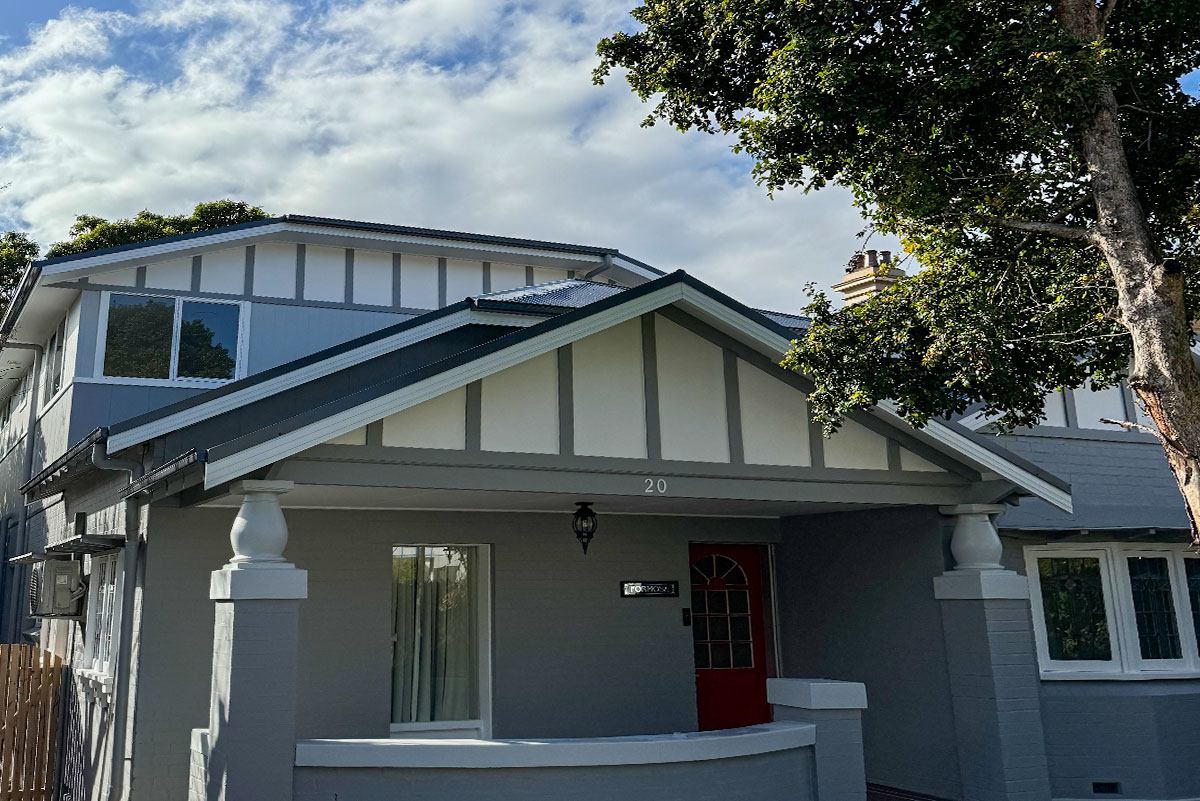
The beauty of this style is how well it adapts to existing structures. In the Julia Project, you can see how flawlessly we integrated a new level with classic styling to achieve that sought-after coastal aesthetic, even miles away from the beach.
3. Industrial Contemporary: Mixed Material Mastery
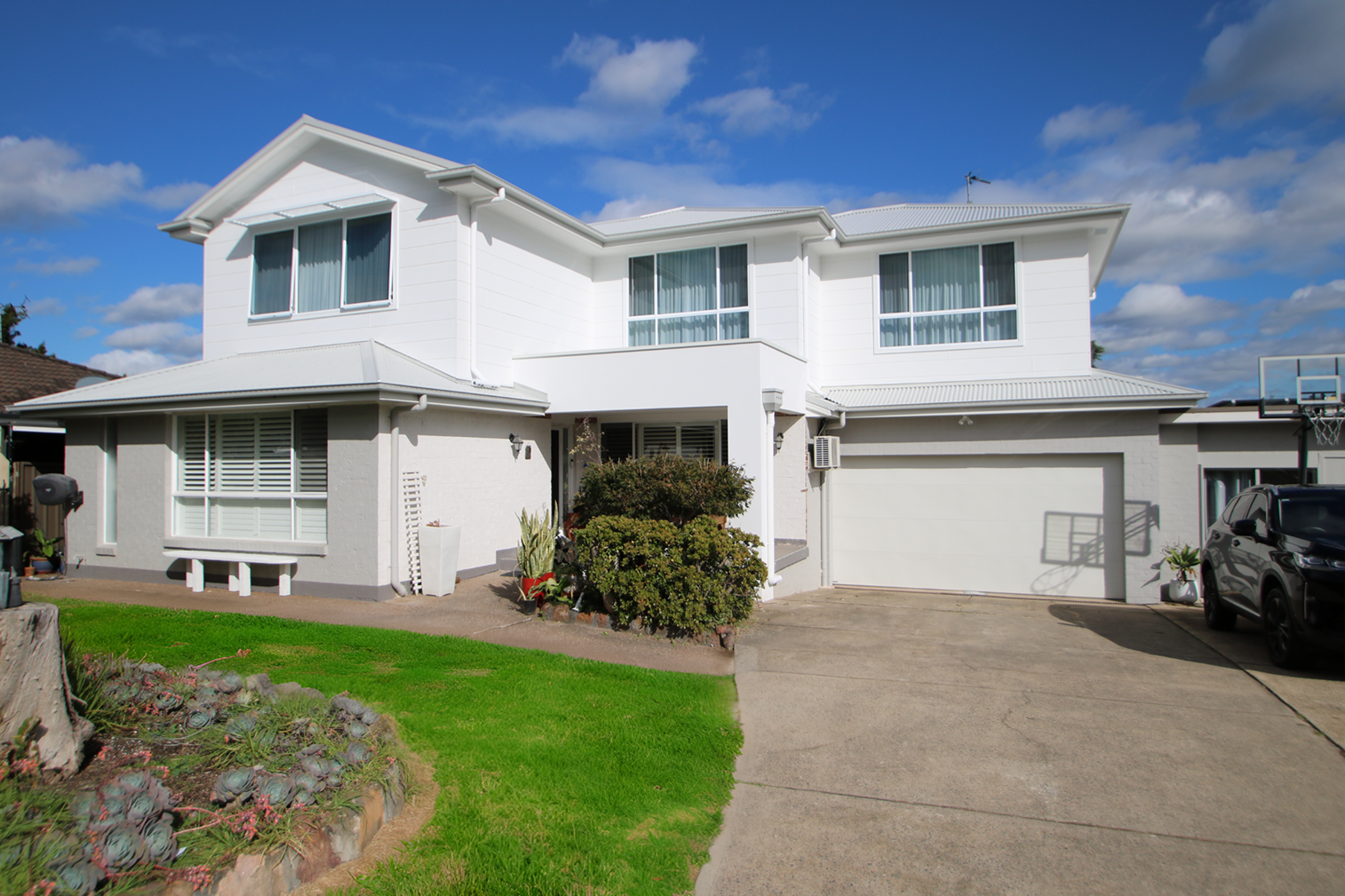
If you want your home to stand out, the Industrial Contemporary style thrives on contrast. By mixing raw materials like dark Colorbond steel, timber-look accents, and smooth render, we can create a facade that feels modern and rugged. This style is especially effective at "breaking up" a home's visual weight, making it a favourite for large-scale transformations.
Look no further than the Malonga Project as a prime example. By combining a new Colorbond roof with a modern double-garage entry and varied textures, this renovation turned a dated residence into a bold family home with a powerful "wow" factor. It’s a design choice that signals polish and strength.
4. Seamless Scandi-Modern: Warm Minimalism
Scandi-Modern (or "Warm Minimalism") is for the homeowner who values functional design and organic flow. This style focuses on simplicity, making sure the new renovation doesn't look like an add-on but rather an integrated, singular design.
This aesthetic relies on a "less is more" philosophy, characterised by:
- Large Glass Voids: Utilising oversized windows to welcome natural light and generate a sense of space.
- Muted Palettes: Using natural tones that allow the architectural shapes to speak for themselves.
- Streamlined Transitions: Assuring the addition's rooflines are consistent with the original home's pitch.
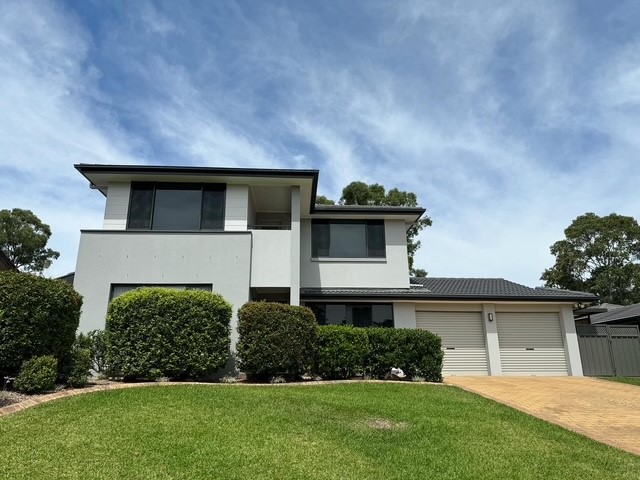
The Topeka Project demonstrates our ability to extend a home’s footprint while maintaining this clean, simple design. The result is a home that remains both modern and incredibly liveable, providing a sanctuary-like feel from the moment you pull into the driveway.
5. Creating Urban Contemporary Living Spaces
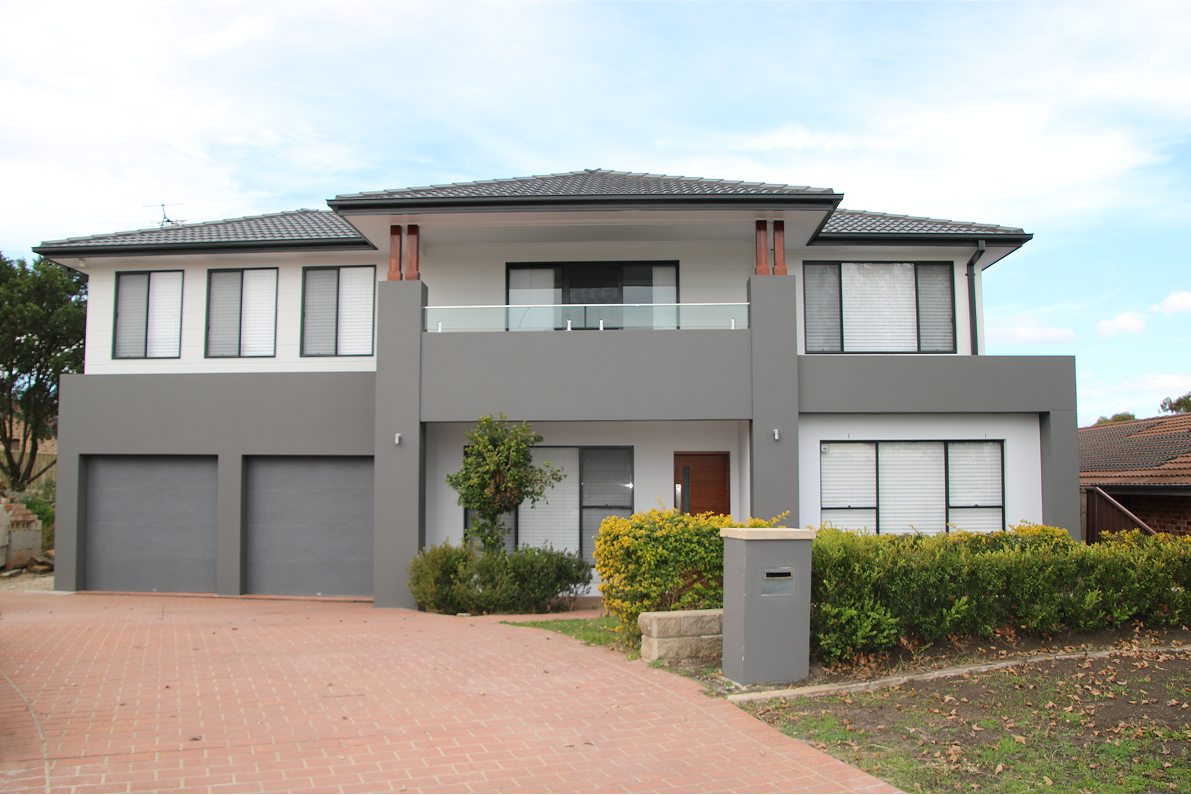
The Urban Contemporary style is a "best-of-both-worlds" approach. It retains a traditional house shape but updates every surface with modern textures. It is a fantastic way to revitalise a property’s "bones" while giving it a fresh, 21st-century identity without requiring drastic structural changes to the ground floor.
In the Clarke Project, we implemented a fresh rendered facade, a new front door, and automated Colorbond panel-lift doors. These changes, while seemingly simple, instantly modernised the home's functionality and curb appeal. When paired with a strategic second-storey addition, this style offers the highest return on investment for homeowners wanting to flip or upgrade their long-term family residence.
Make Your Dream Home a Reality with Keystone Building
When you partner with Keystone Building, we don't just build upward or outward: we design for the street. A successful facade renovation requires a deep understanding of structural integrity and material choice. Whether we are installing heavy render or lightweight cladding, our team of designers and builders has the technical knowledge and attention to detail necessary to guide you through the entire process and make sure that your home is prepared to support your new look for decades to come.
Ready to transform your property's identity? A facade remodel is the perfect solution to create both a stunning exterior and an inviting home. Browse our full project gallery to see more of our work, or contact us on (02) 4722 5466 today for a free consultation and to discuss a facade design that best suits your vision.
Renovation Facade FAQs
Which facade styles work best for my property's location?
Leafy areas like the North Shore, Ryde, and the Hills District pair perfectly with Hamptons or Scandi aesthetics. For Northern Beaches and Eastern Suburbs properties or urban centres like Penrith and Hinchinbrook, the Modernist or Industrial styles provide a sharp, premium edge. We always factor in solar orientation, such as using deep gables for shading, to ensure the design works with your specific block and exceeds your expectations.
Do I need Council approval (DA) just to change my facade style?
Many facade updates, such as rendering or painting, can fall under Exempt Development in NSW, provided they don't involve structural changes. However, if you are adding a second storey, renovating window openings, or using materials that substantially change the building's footprint or construction scope, you’ll likely need either a Development Application (DA) or a Complying Development Certificate (CDC). We handle the red tape for you, assuring everything is compliant from day one.
Can I make changes to existing facade plans during the process?
While it is always most cost-effective to finalise the look during the design process, we understand that seeing the structure take shape can spark new ideas. Small material or colour changes are usually manageable, but significant structural changes to the facade may require an amendment to your Council approval (such as a Section 4.55 modification). Our team has the expertise to guide you through the implications of any change to the existing plans or to ensure the project stays on track.
What are the most low-maintenance materials for Sydney’s climate?
In Sydney, UV exposure and humidity are the biggest enemies of a facade. For maximum longevity with minimal maintenance, we recommend Colorbond steel and Fibre Cement cladding (such as James Hardie products). Unlike traditional timber, these materials don't warp, rot, or need repainting every few years. If you absolutely love the look of wood, we often suggest "timber-look" aluminium battens, which offer the warmth of grain without the sanding and oiling.
What is the best way to handle the facade of a heritage or period property?
In conservation areas, the goal is often to restore original features, such as intricate brickwork, tuck-pointing, or timber fretwork, while ensuring any new additions are "sympathetic." This doesn't mean the new work must be a replica; rather, it should use a similar scale and high-quality materials (like slate roofing or traditional timber windows) that complements existing features and respects the original era. We work closely with heritage guidelines to ensure your modern addition enhances the property’s history without overshadowing it.
Will a facade renovation actually increase my property value?
Real estate experts frequently cite "curb appeal" as the single biggest factor in a buyer’s emotional connection to a property. A modern facade transformation can add 5% to 15% to a home's market value, often returning more than the initial investment. It’s the difference between a buyer seeing a "fixer-upper" and a "turn-key dream home."
How does a second-storey addition fundamentally change a home's facade?
A second-storey addition job does more than add floor space; it provides an opportunity to fix "architectural imbalances" in a single-storey home. By adding verticality, we can introduce features like grand stair voids, balconies, and varied roof pitches that were previously impossible. The key is ensuring the new level doesn't look "top-heavy", we achieve this by carrying materials (like render or cladding) from the ground floor up to the new level, creating a unified exterior that looks like a brand-new home rather than a stacked addition.
How do I choose a facade style that won't look "dated" in five years?
The key to a timeless change to your home's exterior is a "balanced" palette. We recommend choosing a neutral base (such as a soft white or grey render) and using your "trendy" elements, like a specific timber batten or a strong front door colour, as accents rather than the primary feature. This allows the core architecture to remain classic while still feeling contemporary and high-end.