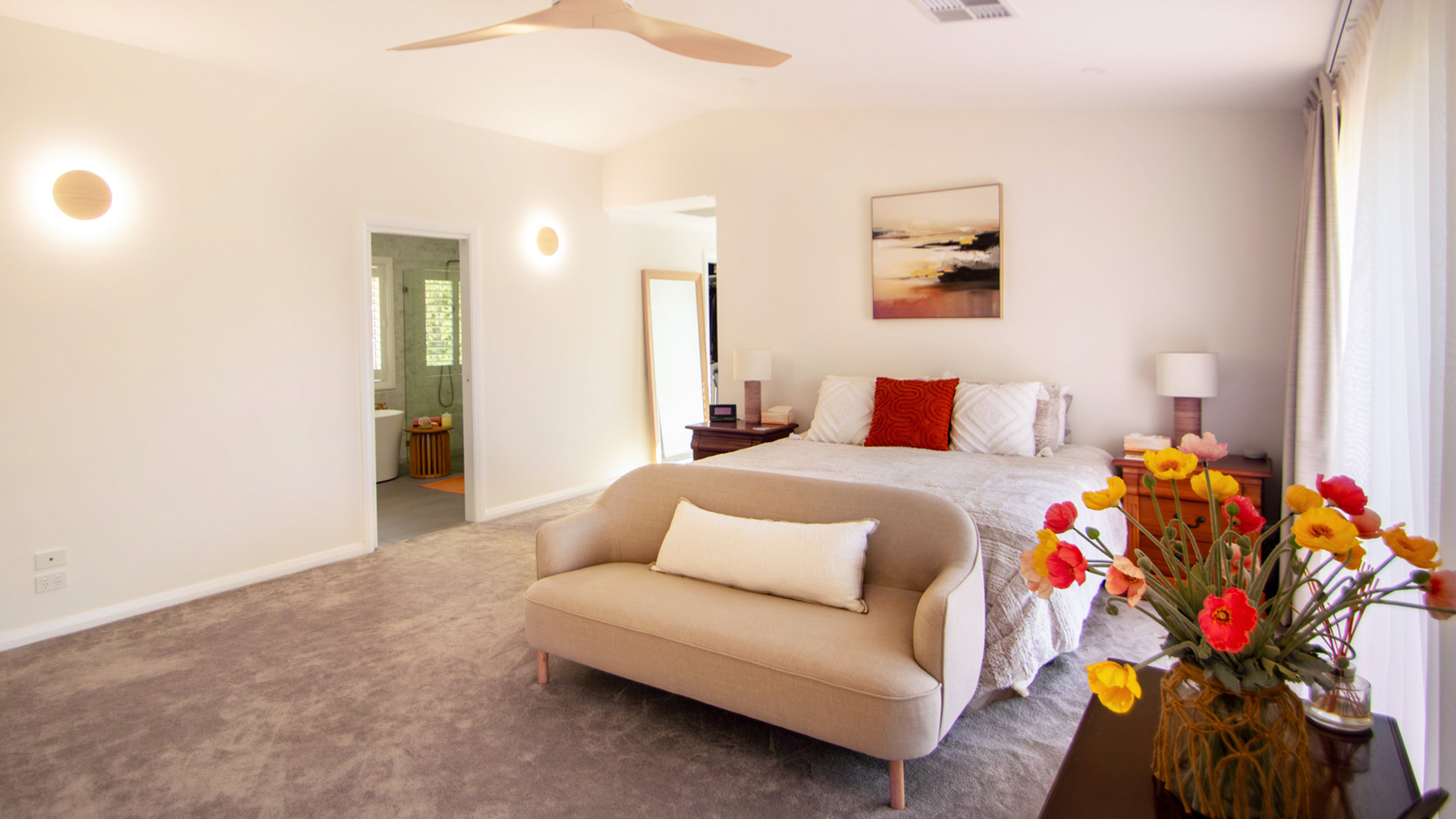
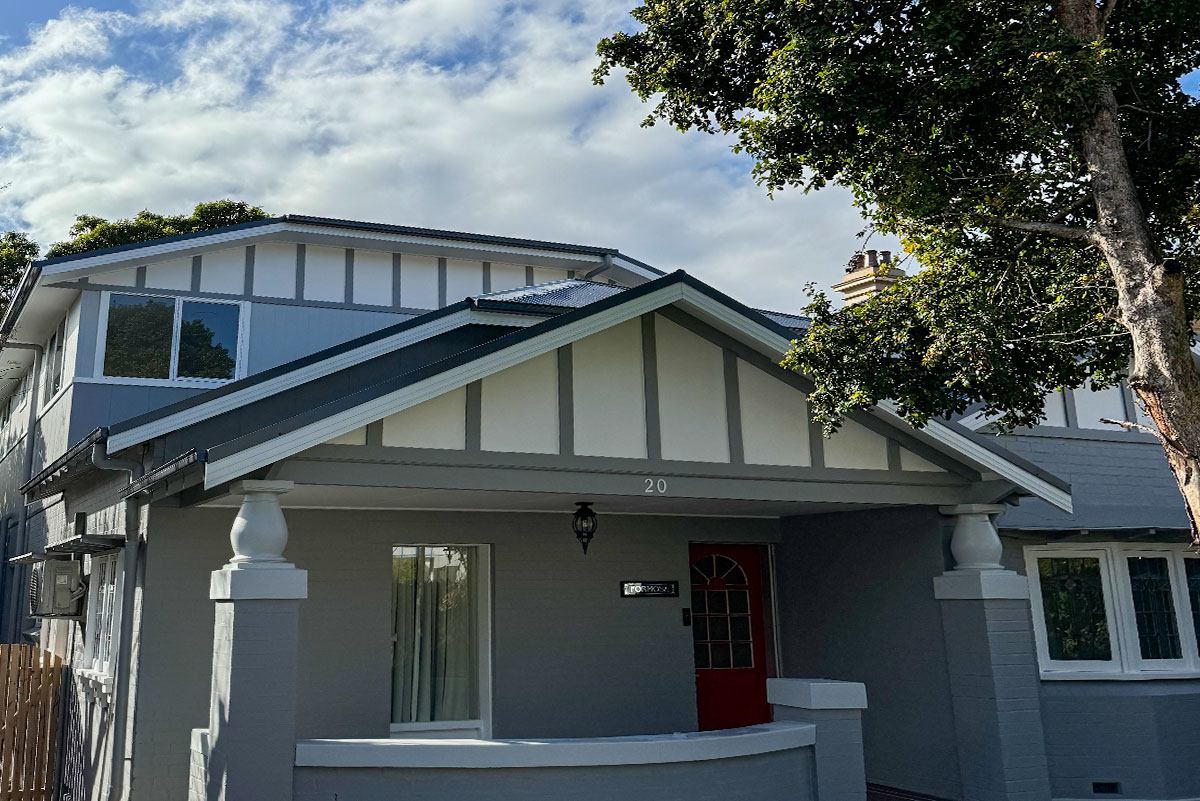
Key Takeaways
- Before you build up, a structural engineer must confirm your existing foundations, footings, and load-bearing walls can carry a new level, as many older Western Sydney homes were built for a single storey only and their house structure may need strengthening first.
- Second Storey Additions, also known as second storey extensions, almost always need council approval through either a Complying Development Certificate or a Development Application, with height limits, floor space ratios, overshadowing, and visual privacy rules shaping what you can build.
- Budget for more than just the new rooms, structural reinforcement, scaffolding, roof removal, and a sensible contingency all add to the true cost of a Second Storey home addition, which in Sydney typically falls between $250,000 and $500,000.
- Thoughtful planning around the new staircase, services, and how you will live during the construction process makes the difference between a stressful project and a smooth one.
Running out of space but love where you live? For many Western Sydney families, the smartest move is not to sell and start again, but to build upward. Second Storey Additions, sometimes called second storey extensions, let you double your living space without giving up a square metre of yard, adding extra space and more room even on a smaller or narrower block.
Building up is a bigger undertaking than it first appears, though. Adding a floor touches the foundations of your home, your council planning controls, your budget, and your day-to-day life during construction. Getting clear on a few key considerations before you start helps you make an informed decision and saves you time, money, and frustration down the track.
At Keystone Building, we have been designing and constructing Second Storey Additions for families across Western Sydney since 2001. Here are the five things we believe every homeowner should weigh up before adding a floor to their home.
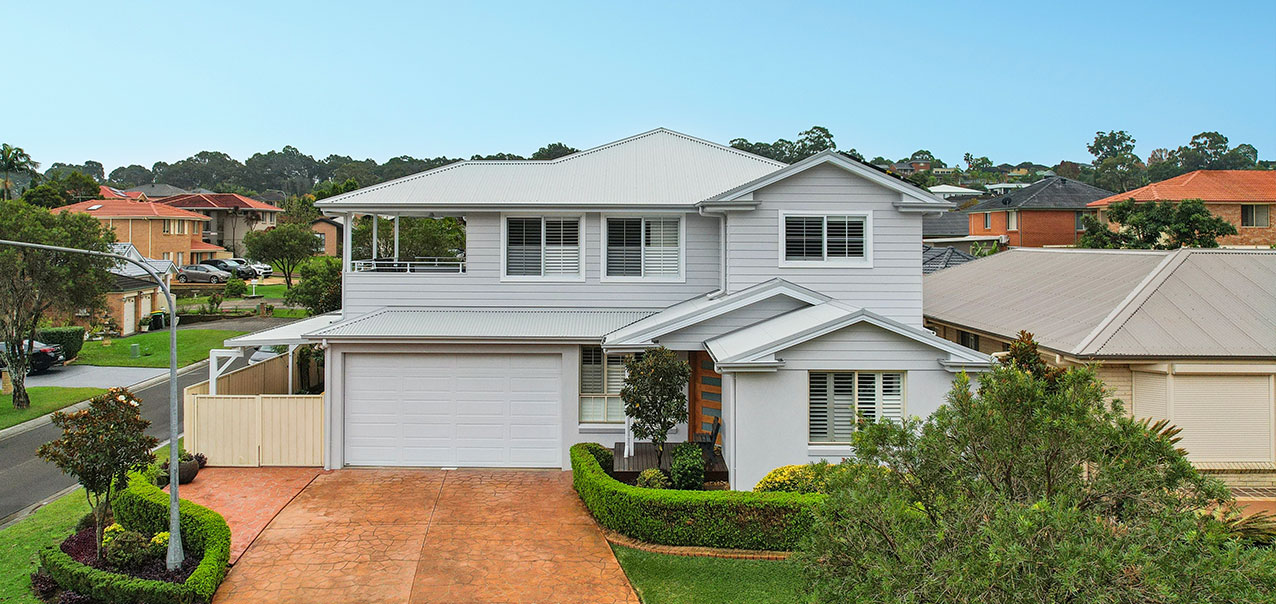
1. Can Your Existing Structure Support a Second Storey?
The single most important question with any second storey addition is whether your existing home can physically carry the load of a new level. Before any design is finalised, a structural engineer needs to assess your foundations, footings, and load-bearing walls to determine what your house structure can support.
This matters because many homes across Western Sydney, particularly those built several decades ago, were designed to carry a single storey only. Unlike a first floor or ground floor addition that spreads across your block, a storey extension places the full weight of the new level, its framing, and its roof onto your existing home. Where the original footings and slab were not sized for that load, strengthening work such as underpinning the footings or reinforcing internal walls may be needed before the new storey can go up.
Soil type and site conditions play a part too. Reactive clay soils, which are common in parts of Sydney, expand and contract with moisture and influence how footings need to be engineered. A reputable builder with the right licences and insurance will arrange the right investigations early, so you know exactly what your home requires before committing to a design. Far from being a hurdle, this assessment is what ensures your finished addition is safe, compliant, and built to last.
2. What Council Approvals and Planning Rules Apply?
Second storey home additions cannot begin until they are approved, and in New South Wales there are two main pathways. The faster route is a Complying Development Certificate (CDC), a fast-tracked approval issued by an accredited certifier that typically takes around four to six weeks when your project meets the criteria of the NSW Housing Code. If your design falls outside those parameters, you will need a Development Application (DA) lodged with your local council, a merit-based assessment that can take three to six months and may include neighbour notification.
Building upward tends to trigger more planning scrutiny than a first floor addition at ground level, simply because it increases the overall height of your home. Most residential additions in Sydney are subject to a maximum building height of around 8.5 metres, and your design will also need to respect floor space ratio limits, boundary setbacks, and site density caps. Projects must also satisfy BASIX requirements for energy and water efficiency.
Two rules catch many homeowners by surprise. Because building up can cast new shadows, councils often require shadow diagrams to prove your addition will not block sunlight from neighbours' living areas, as solar access regulations protect that sunlight. Visual privacy is assessed too, so any windows facing a boundary within nine metres may need highlight windows, obscured or frosted glazing, or privacy screens to prevent direct overlooking into neighbours' private spaces.
If your home sits within a heritage conservation area or a flood-prone zone, additional controls may shape the height, roof form, and street-facing appearance of your addition. An experienced builder who knows the approval pathways in your area can advise early on which route is likely to apply and the time frame involved, helping you avoid costly redesigns later.
3. Have You Budgeted for the Full Scope?
A second storey addition is a significant investment, and the cost is about much more than the bedrooms and bathrooms you end up with. The structural complexity of building above an occupied home is what sets the storey addition cost apart from a ground floor or first floor addition.
As a general guide, second storey additions in Sydney typically cost between $3,800 and $5,500 per square metre, with most whole-of-project budgets landing somewhere between $200,000 and $400,000 depending on size, finishes, and site conditions.
Several elements drive that figure. There is the structural reinforcement your home may need, which can range from roughly $10,000 to $40,000 depending on the existing construction. Then there is scaffolding, the temporary removal and replacement of your roof, weatherproofing during the build, roof framing for the new level, and the new staircase that connects the two floors. Each of these is standard for a second storey, but each adds an additional cost in a way that a single-level addition does not.
There are sensible ways to keep the cost manageable. Obtaining multiple quotes, planning your build during quieter off-peak periods, and keeping the design straightforward rather than overly complex all help. The finishes you choose, the condition of your house structure, and any council requirements will also move the number.
The most reliable way to understand your real budget is to have your property assessed and receive a detailed, itemised quote rather than a rough estimate. When you work with a transparent builder, there are no hidden costs, just a clear breakdown of what your project involves and a contingency set aside for the unexpected. In high-cost suburbs, building up often still works out more affordable than buying a larger home, while lifting your property value and delivering a strong return on investment for future resale.
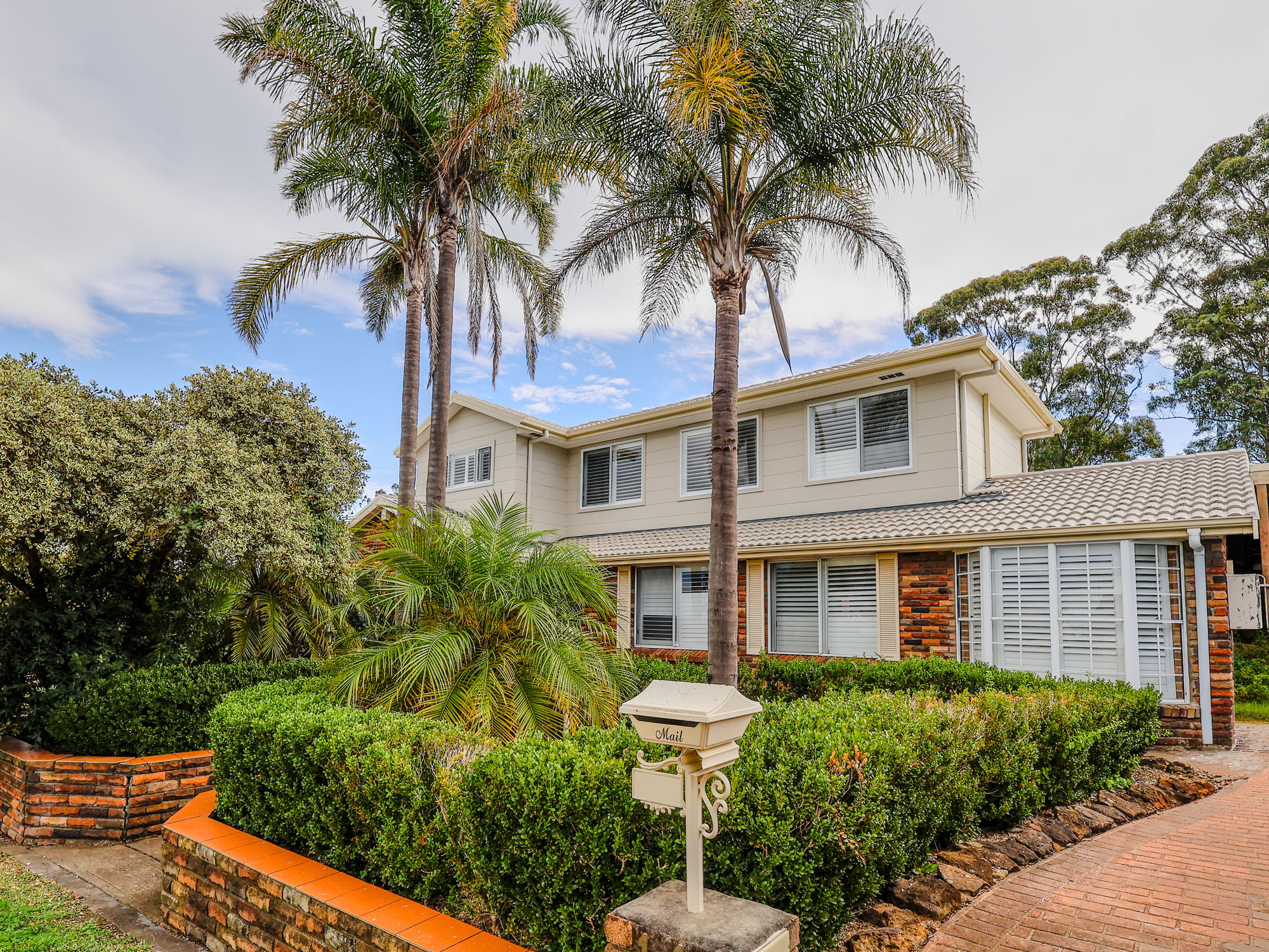
4. How Will You Live During the Build?
Because a Second Storey is constructed directly above your existing ground floor, one of the most practical questions to settle early is how the construction process will affect your daily life. The roof removal stage is the most intensive period, when your existing roof is taken off and temporary weatherproofing is installed before the new level is framed and made watertight.
With careful planning and staging, most families are able to remain in their home throughout the project. Some ground floor areas may need to be temporarily protected or vacated during the most disruptive phases, but a well-managed build keeps the home liveable from the first day on site through to the final inspections and handover. The key is a builder who plans the sequence properly, protects your belongings, and communicates clearly about what to expect at each stage.
At Keystone Building, keeping disruption to an absolute minimum is something we take seriously. For 95% of our projects, our clients continue living in their home during the build. Our team keeps the site clean and tidy and cleans up at the end of every working day, so your home stays comfortable while the work goes on around you.
5. Does the Design Work for How You Live?
A Second Storey is a rare opportunity to rethink how your whole home functions, not just to add rooms on top. The most successful additions are the ones designed around how your family actually lives, both now and in the years ahead.
Staircase placement is one of the biggest decisions in the whole design process. The new staircase has to be integrated into your existing floor plan, and where it lands affects the flow of your ground floor and how much usable space you lose downstairs. Getting it right early avoids awkward compromises later. It is also worth thinking about how relocating bedrooms upstairs frees up the entire ground floor as open-plan living space for the family, creating a natural separation between communal areas below and private retreats above.
Practical details deserve attention too. Plumbing and electrical services need to be extended to the new level, which is far easier to plan for during the design process than to retrofit afterward. A well-designed second storey can also capture views, draw natural light deeper into the home, and anticipate future needs, whether that is a growing family, a home office, or space for ageing parents. Investing time in the design now is what turns extra space into a home that genuinely works for you.
Talk to Sydney's Home Renovation Specialists
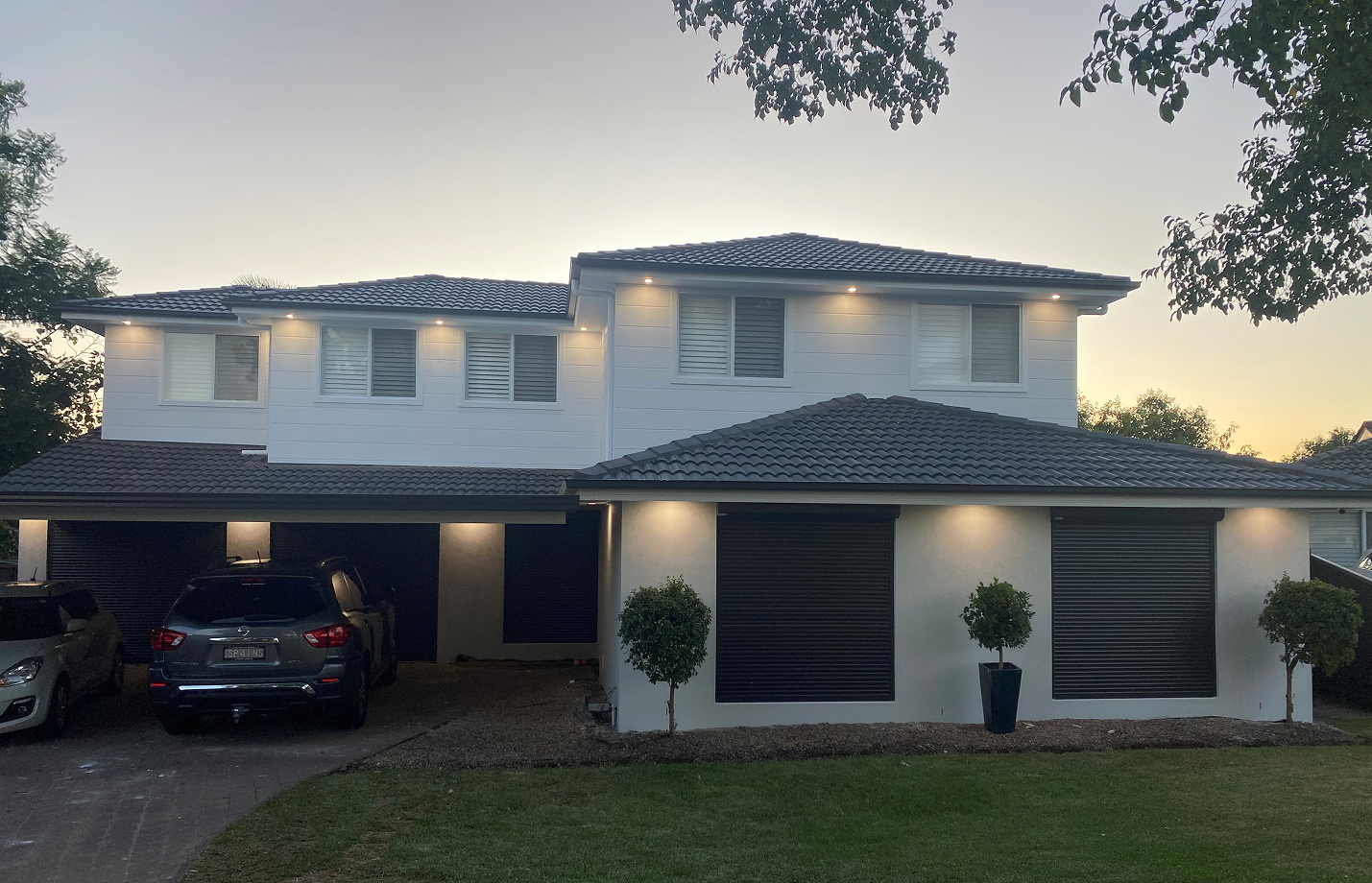
Adding a floor to your home is one of the most rewarding investments a growing family can make, and the right guidance from the start makes all the difference. From assessing whether your structure can support a second storey, through council approvals and design, to construction and the final inspections, the team at Keystone Building manages every stage so you can make a confident, informed decision.
As a family-owned, fully insured company with over 25 years of home renovation experience in Western Sydney, we deliver quality workmanship on every project, and for the vast majority of our builds, you can keep living in your home while we work.
Give us a call on (02) 4722 5466 today for a free consultation, and let us show you what is possible for your home.
Second Storey Addition FAQs
How long does a second storey addition usually take to build?
Most Second Storey Additions take in the range of 16 to 30 weeks of construction from commencement to handover, depending on the size and complexity of the project and the extent of any structural strengthening required. Council approval sits on top of that time frame, with a CDC generally taking four to six weeks and a DA, as a merit-based assessment, often three to six months. Planning around both phases gives you a realistic picture of when you will be enjoying the finished space.
Will adding a Second Storey increase my council rates or land valuation?
Adding habitable floor area can lift the capital improved value of your property, which is one of the factors councils use to calculate rates, so a modest increase is possible over time. Your land value itself does not change simply because you build upward, as that is tied to the underlying block. It is worth contacting your local council to understand how improvements are assessed in your area before you finalise your plans.
Can every single-storey home have a Second Storey added?
Whether your home is a suitable candidate depends on the strength of its existing footings and walls, the soil conditions on your site, and your council's height and planning controls. Most homes can support a second storey once any necessary reinforcement is carried out, but a structural assessment is the only way to confirm what your specific property needs. This is why an early site inspection is so valuable.
How do I choose a qualified builder for a second storey addition?
Start by verifying the builder holds a current NSW builder's licence and the right insurance, including home building compensation cover and contract works insurance for a project of this scale. Read recent reviews and ask to see completed second storey projects, then compare detailed, itemised contracts rather than headline prices. A clear written contract that sets out scope, inclusions, and a payment schedule is one of the strongest signals you are dealing with a reputable builder.
Is it better to add a Second Storey or knock down and rebuild?
It depends on your home, your budget, and your goals. A Second Storey Addition retains the parts of your home that already work and is usually faster and less expensive than a full knockdown rebuild, while letting you stay on your block and often in the home itself. A rebuild may make more sense if your existing structure is in poor condition or your needs have changed dramatically. A builder who assesses both options can help you weigh the costs and outcomes honestly.