Key Takeaways
- Older homes can make excellent candidates for building up, but their age means the existing footings, framing, and load paths must be carefully assessed before any second level is designed.
- Homes built decades ago often hide materials and quirks that newer houses do not, including asbestos, ageing wiring, and lime mortar, all of which need to be identified early so they can be managed safely and budgeted for.
- Adding a second floor to your house is a chance to lift its value and liveability while preserving the character that drew you to it, provided the new level is designed to sit sympathetically with the original.
- Second storey additions in Sydney involve council approval, heritage and streetscape controls, and an experienced builder who knows how to work with older construction rather than against it.
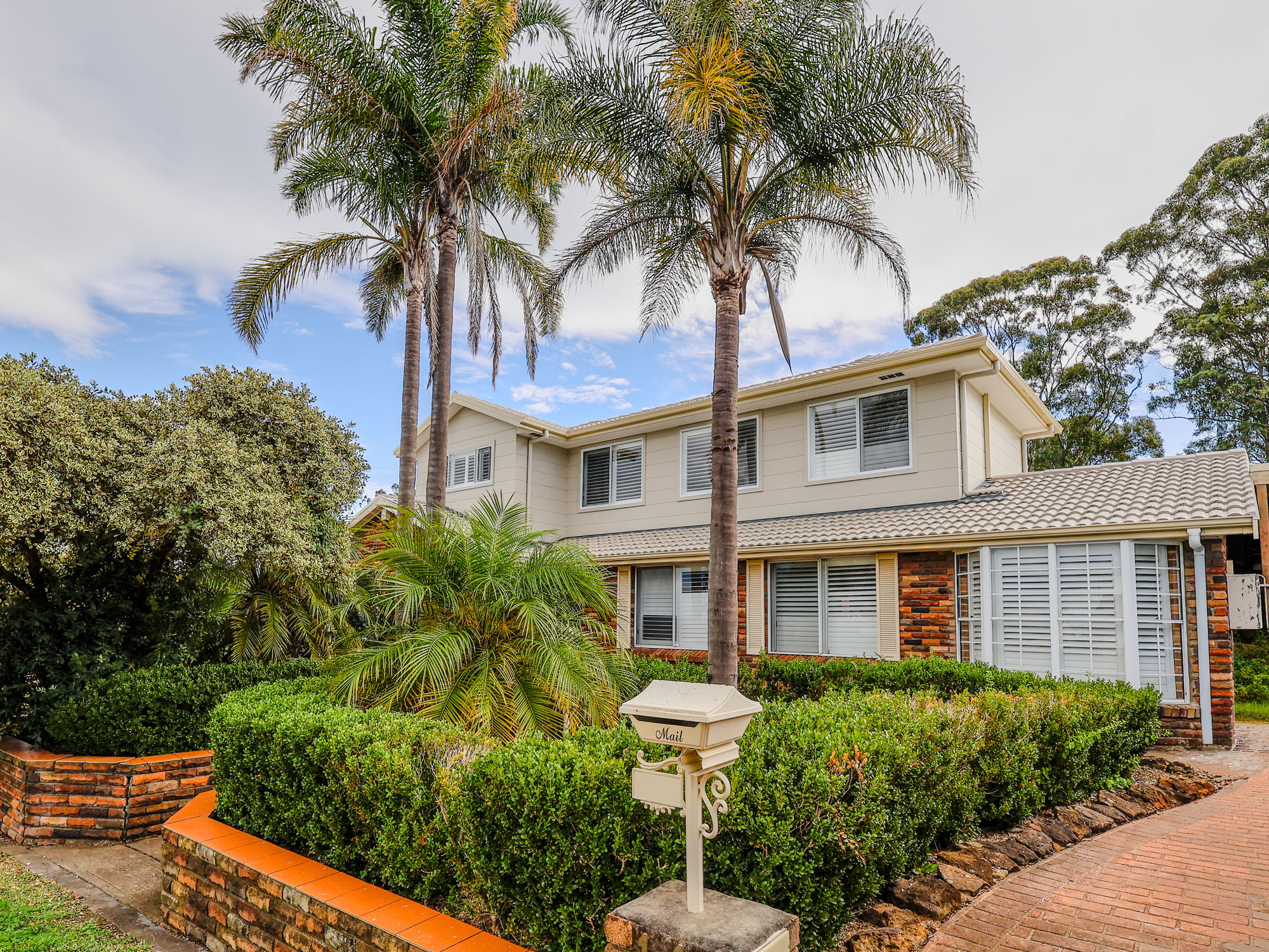
Western Sydney is full of well-loved older homes on generous, established blocks. Many were built solidly, sit in suburbs that have only grown more desirable, and offer something newer estates rarely do: mature gardens, wide streets, and a sense of permanence. The catch is that they were almost always designed as single-storey houses for a different era of family life.
When a growing household runs out of room, the question becomes whether you can keep everything you love about the home and simply add a floor on top. The good news is that you usually can. Adding a Second Floor to your house lets you double your living space without losing a metre of your block, and for an older home in an established area, that often makes far more sense than selling and starting again.
Building up over an older home does come with considerations that a newer house does not, though. The age of the structure, the materials of the period, and the planning rules that protect older streetscapes all shape what is possible. At Keystone Building, we have been adding Second Storeys to homes across Western Sydney for over 25 years, and a good portion of those have been older houses. Here is what you need to know before you build up over an established home.
Why Older Homes Are Often Ideal for Building Up
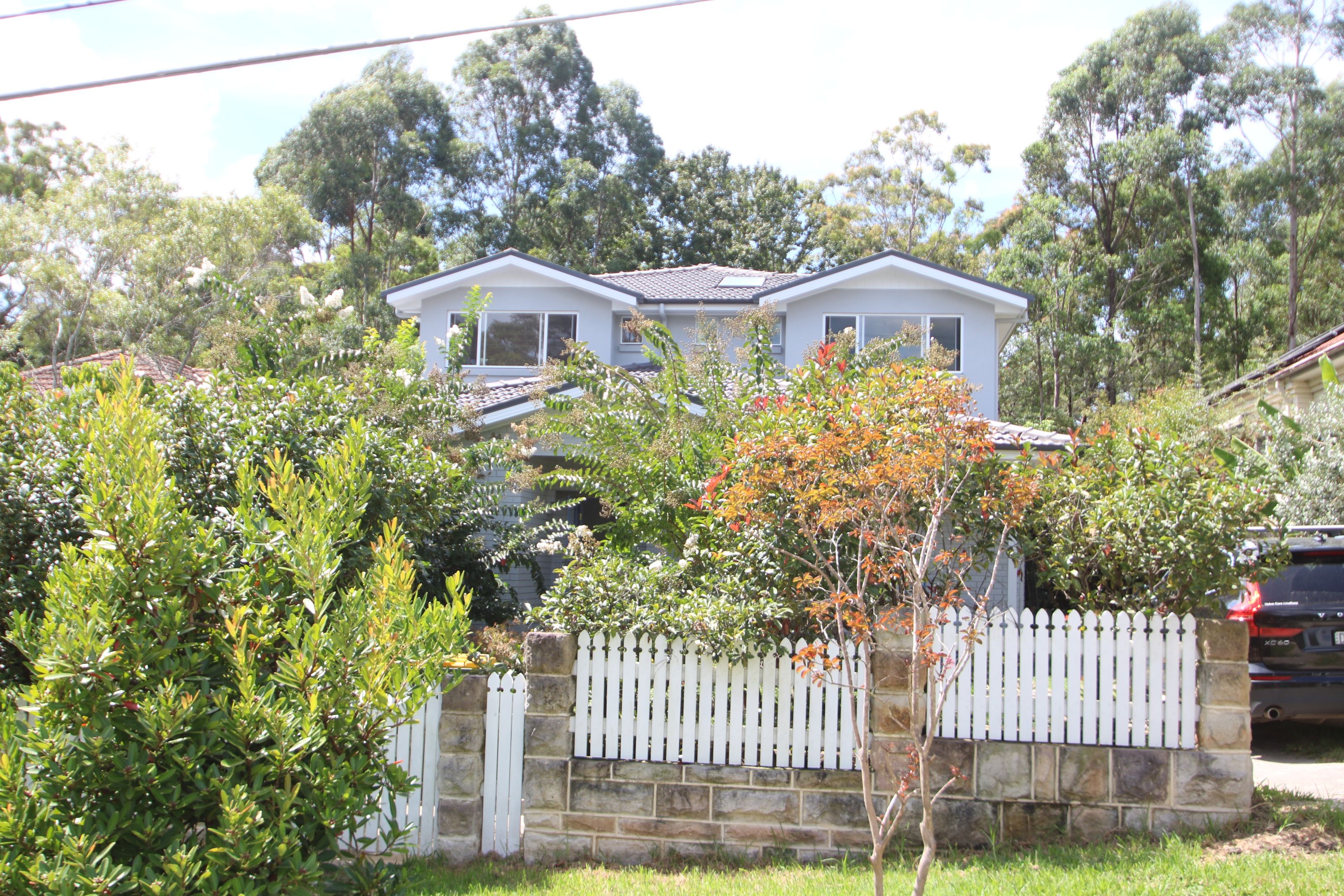
There is a common assumption that older homes are too tired or too fragile to extend upward. In our experience, the opposite is frequently true. Many homes from the mid-twentieth century and earlier were built with full brick walls, hardwood framing, and generous footings, materials and methods that can be genuinely robust once properly assessed.
More space without losing your block
Older homes tend to sit on larger blocks in suburbs that have appreciated significantly over the decades. A Second Storey Addition unlocks the value of that location without consuming the yard, the established trees, or the outdoor space that makes the property special in the first place.
Building up is also a way to maximise space on a block you cannot extend across, giving you more room for a growing family while preserving the garden below.
Light, views, and long-term value
Beyond the extra space, a well-planned upper level can draw natural light deeper into the home and capture views that a single storey never could, and it can significantly increase property value.
In high-cost suburbs, a Second Storey Addition is frequently a more affordable and convenient alternative to buying a larger home, which makes building up a significant investment that tends to pay off at resale. The key is that "older" does not mean "unsuitable." It means the home deserves a thorough, expert assessment before a design is locked in, so the existing structure becomes the foundation of the new level rather than a limitation on it.
Assessing the Structure of an Older Home
The single most important step with any older home is establishing whether the existing structure can carry a new level. Because houses built in earlier decades were almost always designed for a single storey, their footings and slab may not have been sized for the additional weight of a second floor, its framing, and its roof. A structural engineer or building consultant needs to assess the foundations, footings, load-bearing walls, and the wider house structure before any design is finalised.
As specialist Western Sydney builders, Keystone Building manages this entire engineering stage for you, with all assessment costs built directly into your custom second storey quote.
The variables that come with age
Older footings were sometimes shallower or less reinforced than current standards require, and decades of ground movement, moisture, or past minor settlement can affect how a structure behaves under new load. Reactive clay soils, common across parts of Western Sydney, expand and contract with the seasons and influence how any strengthening needs to be engineered.
Where the original structure cannot carry the new level as it stands, reinforcement such as underpinning the footings or strengthening internal walls brings it up to the task.
How structural work affects the cost
This structural complexity is the biggest single variable in the cost of any Second Storey Addition, because reinforcement work that an existing home cannot do without will add to the overall cost and can affect the timeline if it is discovered late.
The actual costs involved can only be confirmed once the home has been properly inspected, which is exactly why a thorough assessment matters: it turns an older home into a safe, compliant base for a brand-new storey, and it lets a reputable builder give you an accurate, itemised quote rather than a rough estimate before you commit to a design.
Hidden Issues to Watch for in Older Homes
The factor that genuinely separates building up over an older home from doing so over a newer one is what lies beneath the surface. Homes built before the late 1980s frequently contain materials and systems that must be identified and dealt with properly as part of the project.
Asbestos, wiring, and old materials
Asbestos is the most important of these. It was widely used in Australian homes until the 1980s in eaves, sheeting, and other building products, and any that is disturbed during roof removal or structural work must be handled and disposed of by a licensed professional.
Ageing electrical wiring is another common find, and older switchboards often need upgrading to safely supply a new level. Original plumbing may need replacing or extending, and older brickwork laid with lime mortar can require specific attention when it is tied into new structure.
None of these are unusual, and none are reasons not to proceed. They simply need to be uncovered early through a proper inspection, so they can be managed safely and built into the scope and budget from the start rather than emerging as surprises mid-project. This is precisely where experience with older homes matters, because a builder who has worked on them knows what to look for before the first sheet of roofing comes off.
What to Expect During the Build
Because a Second Storey is constructed directly above your existing ground floor, the construction process has a rhythm worth understanding before it begins. The most intensive phase is roof removal, when the existing roof is taken off and temporary weatherproofing is installed before the new level is framed and made watertight. With careful staging, most families are able to remain in their home throughout the build, though some ground floor areas may need to be protected or briefly vacated during the busiest stages.
Site access on established blocks
Older homes can add a logistical wrinkle that newer builds on open sites do not face. Established blocks often come with mature trees, narrow driveways, and tight side access, and limited site access can mean a crane or extra scaffolding is needed to move materials and frame the new level.
Good project management is what keeps this from becoming a problem, so working with skilled builders who plan the sequence, protect your belongings, and keep the site clean makes all the difference to how the project feels day to day.
How long a second storey takes
As a guide, the construction process for a Second Storey Addition typically takes in the order of three to six months from commencement to handover, depending on the size of the project and the extent of any structural work, with council approval sitting on top of that timeline.
At Keystone Building, keeping disruption to an absolute minimum is something we take seriously, and for 95% of our projects our clients continue living in their home while we work, with the site cleaned up at the end of every working day.
Matching the New Storey to the Character of Your Home
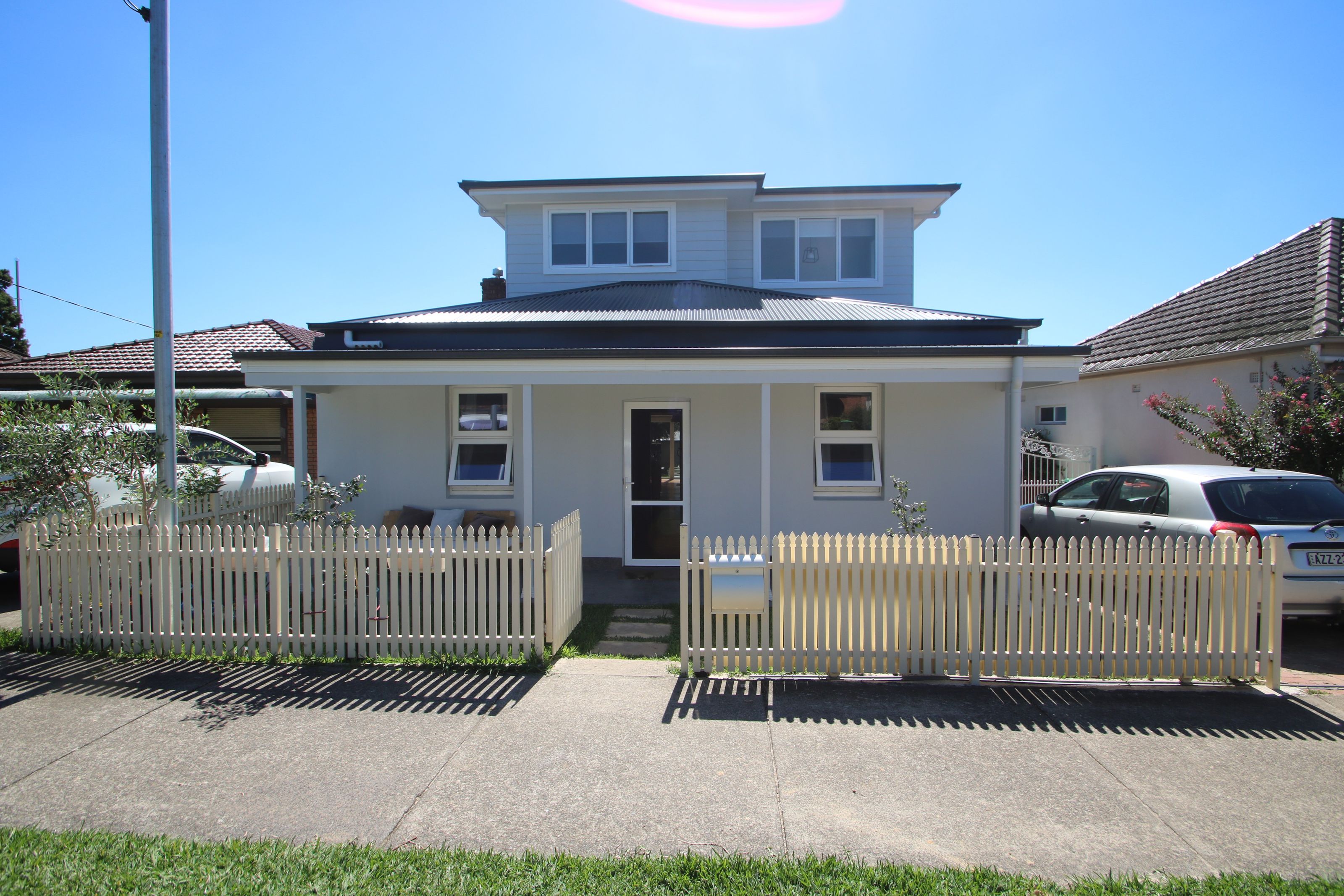
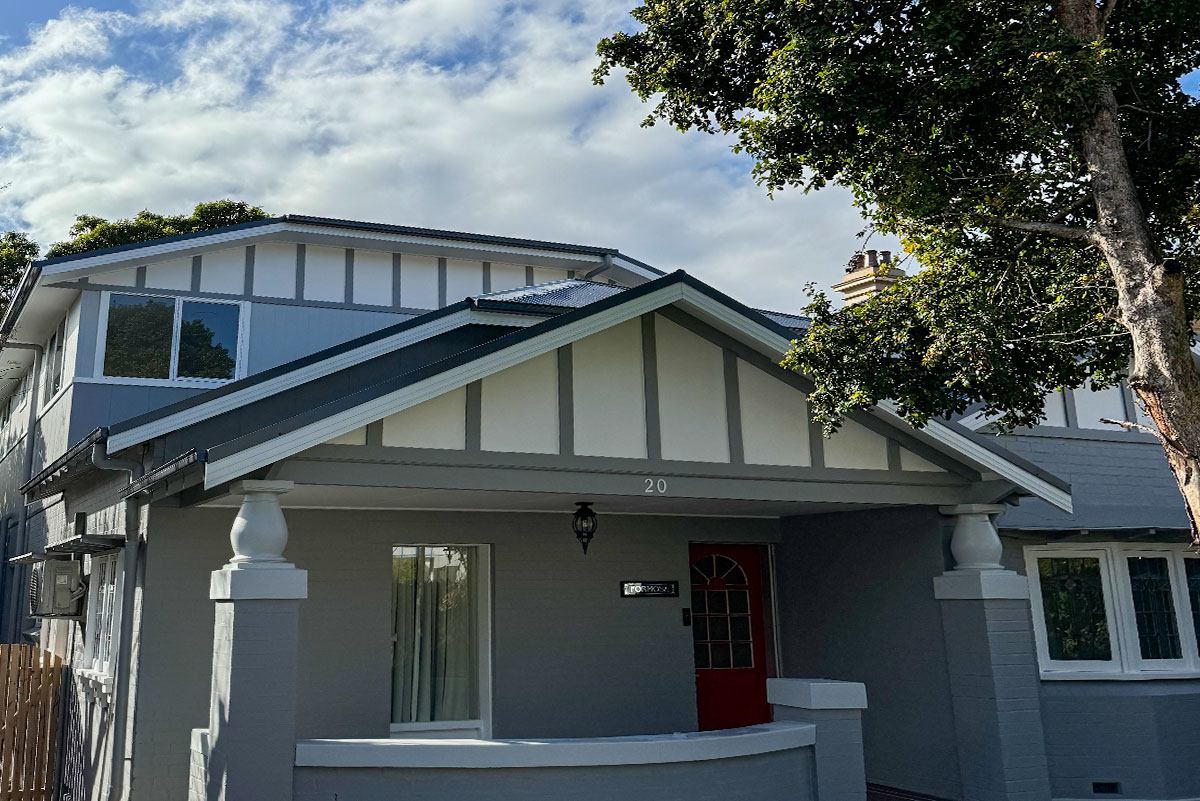
One of the most rewarding aspects of building up over an older home is the chance to add modern space while preserving the character that gives the house its charm. A Second Storey that ignores the original architecture can leave a home looking top-heavy or mismatched. A well-designed one looks as though it was always meant to be there.
Designing for light and flow
Thoughtful design considers the roof pitch, the proportions of the windows, the materials, and the way the new level meets the existing facade. Sometimes the goal is a seamless continuation of a Federation or mid-century style; other times it is a deliberate, complementary contrast that still respects the home's lines.
Strategic window placement and an open floor plan upstairs can flood the new level with natural light and make even a modest footprint feel spacious, while relocating bedrooms above frees up the ground floor for open-plan living.
Building in energy efficiency
It is also worth designing the new storey with running costs in mind. Incorporating energy-efficient, sustainable elements such as good insulation, cross-ventilation, and well-positioned glazing reduces long-term operating costs and adds to the appeal of the home for future buyers. For older homes especially, getting this balance of character, light, and efficiency right is what distinguishes a quality addition from an obvious one.
Council Approvals and Heritage Considerations
Like any Second Storey, an addition to an older home cannot begin until it is approved. In New South Wales there are two main pathways: a Complying Development Certificate (CDC), issued by an accredited certifier when the project meets the NSW Housing Code, or a Development Application (DA) lodged with your local council for projects that fall outside those parameters.
Building up tends to attract more planning scrutiny than extending at ground level because it raises the overall height of the home, and most residential additions are subject to a maximum height of around 8.5 metres, along with floor space ratio limits, setbacks, and rules preventing overshadowing or overlooking of neighbours. Projects must also satisfy BASIX requirements for energy and water efficiency. Complying with these building regulations matters, because work that proceeds without the right approval can result in costly fines or orders to undo completed work.
Extra controls for heritage and character homes
Older homes carry an extra layer to consider. Many sit within heritage conservation areas or are individually listed, and some of the most established streets in Western Sydney fall under these controls. Where they apply, council will assess whether the proposed addition is sympathetic to the existing dwelling and the broader streetscape, which can shape the height, roof form, materials, and how visible the new level is from the street.
A Heritage Impact Statement may form part of the application. These controls do not prevent a second storey, but they do influence the design, which is why early advice from a builder familiar with the approval pathways in your area is so valuable.
Talk to Sydney's Home Renovation Specialists
Adding a Second Storey to an older home is one of the most rewarding investments a growing family can make, turning a much-loved house into one that suits the way you live today. From assessing whether your structure can carry a new level, through identifying and managing the quirks of older construction, to council approvals, design, and construction, the team at Keystone Building manages the entire process for you.
As a family-owned, fully insured company with over 25 years of home renovation experience in Western Sydney, we know how to work with older homes and deliver quality workmanship on every project. For the vast majority of our builds, you can keep living in your home while we work.
Give us a call on (02) 4722 5466 today for a free consultation, and let us show you what is possible for your home.
Second Storey Additions FAQs
How can I tell if my older home contains asbestos before starting?
You cannot reliably identify asbestos by sight, so the only certain way is to have a licensed assessor take samples and test them before any work begins. Homes built before the late 1980s are most likely to contain it, often in eaves, wall sheeting, and bathroom linings. If asbestos is present, it can be safely removed by a licensed professional as part of the early stages of the project, well before the structural work starts, so the build proceeds with the area already made safe.
Will I need to rewire the whole house when adding a Second Storey?
Not always the entire house, but expect some electrical upgrading. A new level adds lighting, power, and often heating or cooling that the original system was never designed to carry, so your switchboard frequently needs upgrading and new circuits run to the upper floor. If the existing wiring is very old or shows signs of deterioration, your electrician may recommend rewiring affected areas at the same time, which is far more cost effective to do while the home is already a worksite than as a separate job later.
Does adding a Second Storey to an older home affect my home insurance?
A Second Storey increases the replacement value of your home, so you should notify your insurer before construction begins and update your sum insured once the work is complete. During the build, your builder should carry contract works insurance covering the construction itself, but your standard home and contents policy may not automatically extend to renovation-related risks. It is worth confirming with your insurer what interim cover you need for the construction period, particularly given the age of the original structure.
Can a heritage-listed or character home still have a Second Storey added?
In most cases, yes, though the design will need to respond to the relevant heritage or conservation controls. Council will look at whether the addition sits sympathetically with the original dwelling and the streetscape, which can influence height, roof form, materials, and how far the new level is set back from the front facade so it reads as recessive from the street. A Heritage Impact Statement may be required. These requirements shape the design rather than rule it out, so early consultation with your builder and council is essential.
Is it more expensive to build up over an older home than a newer one?
It can be, mainly because of the unknowns that older construction can carry. Costs such as asbestos removal, footing reinforcement, electrical upgrades, or matching heritage materials may not apply to a newer home. The way to avoid surprises is a thorough upfront inspection and a detailed, itemised quote that accounts for the age and condition of your specific home, rather than a rough estimate. Even with these factors, building up over a well-located older home often remains more affordable than buying a comparable larger home in the same area.